

The Science Behind Superior Coffee Water
In the competitive world of specialty coffee, water quality isn’t just a detail—it’s the foundation of an exceptional brewing experience. Reverse osmosis (RO) water treatment represents a transformative technology that elevates coffee from ordinary to extraordinary.
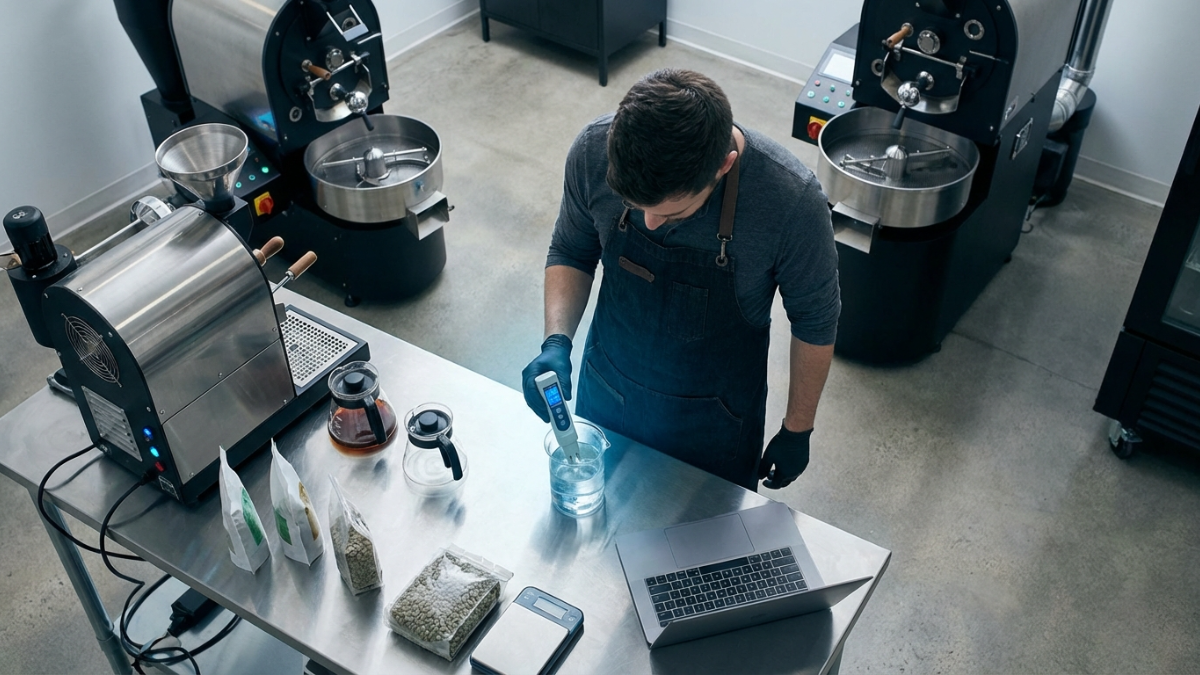
Professional baristas and coffee shop owners understand that water is more than a simple ingredient; it’s the primary medium that extracts and carries the complex flavors of carefully selected coffee beans.
The molecular composition of water plays a crucial role in coffee extraction. Water molecules act as a solvent, breaking down and carrying coffee’s complex organic compounds, including acids, sugars, and aromatic oils. Traditional water sources often contain mineral imbalances that can mute or distort these delicate flavor profiles. By removing impurities at the molecular level, RO water creates an ideal canvas for coffee’s intricate flavor landscape.
Scientific research has demonstrated that water’s chemical composition directly impacts taste perception. Trace minerals, pH levels, and dissolved solids interact with coffee’s chemical compounds, influencing everything from acidity and sweetness to body and aroma. Professional coffee scientists have spent years studying these intricate interactions, confirming that water quality is as critical to coffee brewing as the beans themselves.
Precision Water Filtration: The Key to Perfect Extraction
The Specialty Coffee Association recommends a precise total dissolved solids (TDS) range of 11.5 to 13.5 grams per liter for optimal coffee brewing. Reverse osmosis systems deliver this precision by comprehensively removing impurities including:
- Chlorine
- Heavy metals
- Excess minerals
- Sulfates and chlorides
- Organic matter
Understanding the filtration process reveals the sophistication of RO technology. High-pressure membranes with microscopic pores—typically measuring 0.0001 microns—systematically remove contaminants. This ultra-fine filtration ensures that only the purest water molecules pass through, creating a blank slate for coffee extraction. The result is water so pure that it allows the true character of specialty coffee beans to shine without interference.
Moreover, professional coffee roasters increasingly collaborate with water treatment experts to develop precise water profiles. Some advanced RO systems now incorporate mineral addition technologies that can reconstruct an ideal water composition, mimicking the mineral content of renowned coffee-producing regions like Ethiopia or Colombia.
Equipment Protection and Cost Savings
Beyond flavor enhancement, RO systems provide significant economic benefits for coffee businesses. By preventing limescale buildup and mineral damage, these systems dramatically reduce equipment maintenance costs and extend the lifespan of expensive espresso machines and brewing equipment.
The economic impact of water quality extends beyond immediate equipment maintenance. Cafes and coffee shops that invest in high-quality water filtration report significant long-term savings. Espresso machines treated with RO water experience reduced scaling, fewer mechanical failures, and maintain peak performance for substantially longer periods. Some coffee professionals estimate that proper water treatment can reduce equipment replacement costs by up to 40% over a decade.
Additionally, consistent water quality translates into predictable operational expenses. By eliminating mineral-related equipment failures, businesses can more accurately forecast maintenance budgets and reduce unexpected repair costs. This financial predictability is particularly valuable for small to medium-sized coffee businesses operating on tight margins.
“Consistent water quality is the secret weapon of world-class coffee operations”
— Specialty Coffee Association
Customization and Consistency
Modern RO systems with remineralization features offer unprecedented control. Baristas can now customize water profiles, fine-tuning mineral content to complement specific coffee bean characteristics and brewing methods.
Major coffee chains like Starbucks have already recognized this advantage, installing commercial RO systems across global locations to ensure identical coffee quality regardless of geographical differences.
Environmental and Health Considerations
Reverse osmosis water treatment represents not just a technological innovation, but an environmentally conscious approach to beverage preparation.
By removing contaminants at the molecular level, RO systems provide a sustainable alternative to bottled water and reduce plastic waste. Coffee shops implementing RO water filtration can significantly decrease their environmental footprint while providing superior water quality. The technology removes microplastics, pharmaceuticals, and other emerging contaminants that traditional filtration methods might miss.
Health-conscious consumers increasingly appreciate businesses that prioritize water quality. RO systems offer peace of mind by eliminating potential harmful substances, creating a safer drinking experience that aligns with growing wellness trends.
Future of Water Filtration in Coffee
Emerging technologies are poised to revolutionize water treatment for specialty coffee.
Artificial intelligence and machine learning are beginning to transform water filtration, with smart RO systems that can dynamically adjust mineral compositions in real-time. Predictive maintenance algorithms can now forecast filter replacement needs, reducing downtime and ensuring consistent water quality.
As climate change impacts water resources globally, advanced filtration technologies will become increasingly critical. Coffee professionals who invest in cutting-edge water treatment solutions will be best positioned to maintain exceptional beverage quality under changing environmental conditions.
Frequently Asked Questions
How often should RO systems be maintained?
Professional RO systems typically require annual membrane replacement and quarterly filter changes to maintain optimal performance.
Can RO water be used for all coffee brewing methods?
Yes, RO water with proper remineralization is suitable for espresso, pour-over, drip, and other brewing techniques.
Learn more about Sovereign Water’s cutting-edge filtration solutions