
Understanding the 2026 Water Bill Landscape
The United Kingdom is preparing for significant water bill increases in 2026, with consumers and businesses facing an average rise of 5.4%. This anticipated adjustment reflects a broader strategy of infrastructure investment and service improvement across the national water network.
The roots of these price increases can be traced to complex environmental and infrastructural challenges. Climate change, aging water networks, and increasing population demands have created unprecedented pressures on the UK’s water systems. Historically, water infrastructure has been underinvested, leading to inefficiencies that are now demanding substantial financial intervention.
Economic analysts suggest that these increases are not merely price hikes but strategic investments in long-term sustainability. The water sector is facing significant transformation, with technological innovations and environmental considerations driving fundamental changes in how water resources are managed, distributed, and conserved.
Regional Variations in Water Bill Increases
Water bill increases are not uniform across the United Kingdom. Different regions will experience varied pricing adjustments, with some areas seeing increases up to 13%. In Scotland, for instance, water bills will rise by 8.67%, while regions in England and Wales show more diverse pricing strategies.
“Every penny our customers pay goes into improving services for people in Scotland – from tackling ageing pipes, to responding to ever more extreme weather, to enabling new homes to be built”
– Alex Plant, Scottish Water CEO
The regional disparity stems from multiple factors including local infrastructure conditions, geographical challenges, and specific environmental requirements. Northern regions, for example, face different water management challenges compared to southern coastal areas. These variations require tailored investment strategies that reflect local needs and environmental conditions.
Water companies are increasingly adopting granular approaches to pricing, considering factors such as local water scarcity, infrastructure age, and environmental preservation requirements. This means consumers can expect increasingly personalized water pricing models that reflect the true cost of water management in their specific region.

Infrastructure and Environmental Investment
Water companies are leveraging these price increases to fund critical infrastructure projects. The £20 billion investment includes significant allocations for:
- 2,884 sewage work upgrades
- Nutrient reduction initiatives
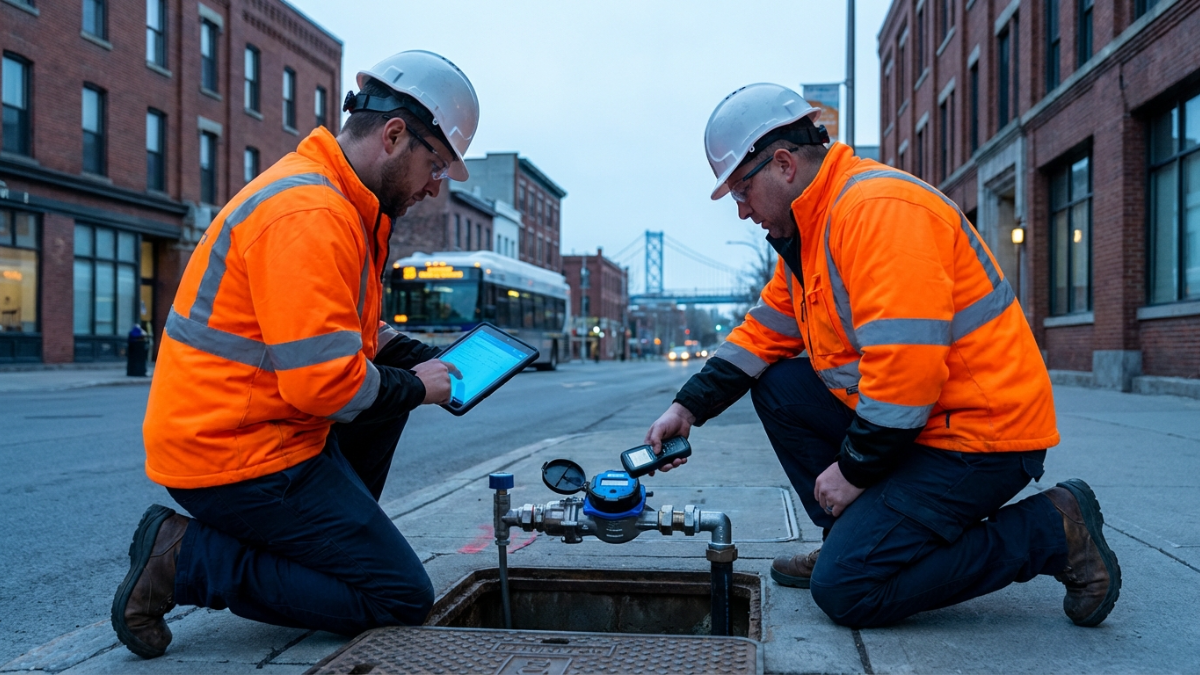
- Smart water meter rollout
- Construction of nine new reservoirs
These infrastructure investments represent a comprehensive approach to modernizing the UK’s water ecosystem. Smart water meters, for instance, are not just monitoring tools but sophisticated data collection systems that will help water companies predict consumption patterns, detect leaks, and optimize water distribution more efficiently.
The construction of new reservoirs is particularly significant, representing a proactive response to climate change and increasing water demand. These reservoirs are being designed with advanced ecological considerations, incorporating biodiversity protection and sustainable water management principles.
Support for Vulnerable Households
Recognizing the financial strain these increases might cause, Water UK has committed to supporting 2.5 million households through social tariffs. These programs offer discounts of approximately 40% to help mitigate the impact of rising water costs.
Social tariff programs represent a nuanced approach to addressing economic inequality. By providing substantial discounts to low-income households, water companies are ensuring that essential water services remain accessible to all, regardless of economic circumstances.
Eligibility for these programs typically considers factors like household income, number of dependents, and specific financial vulnerabilities. Water companies are collaborating with local authorities and social services to identify and support the most vulnerable populations.
Business Water Market Implications
For businesses, the water market presents complex challenges. Approximately 80% of British businesses currently pay default water rates, with wholesale and retail water fees expected to increase differently across various consumption levels.
The Ofwat-approved £104 billion infrastructure investment plan aims to transform water services, potentially offering long-term benefits despite short-term cost increases.
Future Water Technology Trends
The 2026 water landscape is set to be dramatically reshaped by emerging technologies. Artificial intelligence and machine learning are being integrated into water management systems, enabling unprecedented levels of efficiency and predictive maintenance.
Blockchain technology is also emerging as a potential, offering transparent, immutable records of water usage, treatment, and distribution. This could revolutionize how water resources are tracked, managed, and allocated across different sectors.
Consumer Adaptation Strategies
With rising water costs, consumers are encouraged to adopt water-conservation strategies. This includes investing in water-efficient appliances, implementing household water recycling systems, and becoming more conscious of daily water consumption patterns.
Many water companies are now offering free water-efficiency audits and providing personalized recommendations for reducing water usage, which can help consumers offset the impact of price increases.
Protect Your Water Investment with Sovereign Water
Facing rising water costs? Sovereign Water offers engineered solutions that remove up to 99% of impurities and provide consistent water quality for residential and commercial applications. Our systems are designed to last, helping you manage water expenses while ensuring optimal performance.