
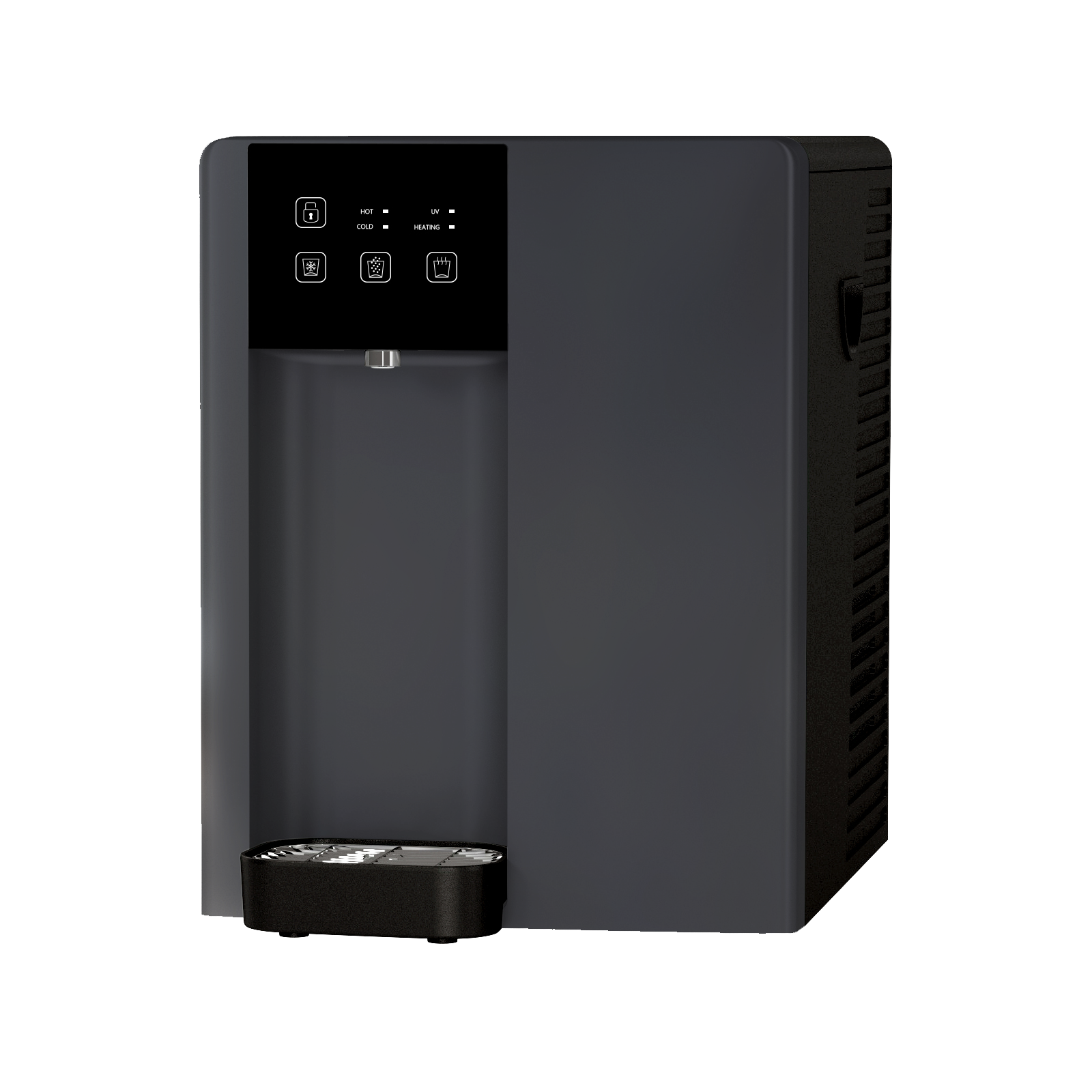

If you have ever searched for a water cooler for your office and come away more confused than when you started, you are not alone. Rental contracts, hidden fees, installation charges, and a bewildering range of machine types make it genuinely difficult to compare costs and reach a confident decision. Whether you manage a small professional services firm or a large commercial facility, understanding what water cooler rental actually costs in the UK in 2026 is essential before you commit to any contract. This guide sets out everything you need to know, clearly and without the sales jargon. You can also explore Sovereign Water’s full range of water dispensers to see what a quality mains-fed solution looks like in practice.
The UK office water cooler market is substantial and growing. Valued at approximately GBP 120 million in 2023, the sector continues to expand as businesses prioritise employee wellbeing and workplace hydration (Gitnux, 2026). That growth, however, has also brought with it an increasingly complex rental marketplace, where headline prices rarely tell the full story. This article breaks down the real costs of water cooler rental in the UK, explains what you should expect to be included, highlights the charges that often catch businesses off guard, and considers whether renting is actually the best option for your organisation.
In This Article
How Much Does Water Cooler Rental Cost in the UK?
Rental pricing for water coolers in the UK varies significantly depending on the type of machine, the supplier, and the level of service included. As a general guide, basic bottled water cooler rentals begin from around GBP 25 per month, whilst mains-fed models with more features typically start from GBP 30 to GBP 60 per month. Some providers advertise costs as low as 68p per day for entry-level bottled units, though this rarely accounts for the cost of the water itself.
It is important to understand that rental pricing structures differ considerably between suppliers. Some operate on short-term rolling contracts with higher monthly fees, whilst others offer lower rates in exchange for a minimum one, three, or five-year commitment. Before signing anything, it is worth calculating the total cost over the full contract term rather than focusing solely on the monthly figure. A contract that appears inexpensive on a month-by-month basis can prove costly if it includes long notice periods, early termination fees, or automatic renewal clauses.
For larger organisations requiring multiple units across different floors or sites, volume discounts are often available. Suppliers are generally willing to negotiate on price when a business is committing to several machines, so it is always worth asking. Equally, businesses that have historically rented for a long period may find that switching suppliers or renegotiating at the point of renewal can result in meaningful savings.
“The cost of a water cooler goes beyond the price of the unit itself. You must also think about installation, servicing, and running costs.” (Drink Works Buyer’s Guide to Office Water Dispensers, 2026)
What Is Typically Included in a Rental Package?
The best rental agreements bundle several services into a single monthly fee, making it straightforward to budget and removing the need to manage separate contracts for maintenance, filters, and repairs. Understanding what a comprehensive package should include helps you identify when a supplier is offering genuine value and when they are presenting an artificially low headline price.
A well-structured water cooler rental package should include free delivery and professional installation, routine servicing every six months, filter changes on schedule, and the repair or replacement of faulty units at no additional charge. Many reputable suppliers also include a sanitisation service as part of the contract, which is particularly important for compliance with UK water hygiene standards. If a supplier does not include sanitisation, this should be treated as a red flag, not simply an optional extra.
Customer support is another element to scrutinise before signing. Reliable suppliers provide a direct contact for service requests, with clear response time commitments. Some offer same-day or next-day response for urgent issues, whilst others operate on a longer timescale. For busy offices where access to drinking water is a daily necessity, response time matters considerably. Ask specifically whether emergency callouts are included or charged separately.
Mains-Fed vs Bottled Water Cooler Rental Costs
One of the most important decisions when choosing a water cooler is whether to opt for a mains-fed (also called point-of-use or POU) system or a traditional bottled model. The two operate differently, have distinct cost structures, and suit different workplace environments. Understanding the difference is essential to making a sound financial comparison.
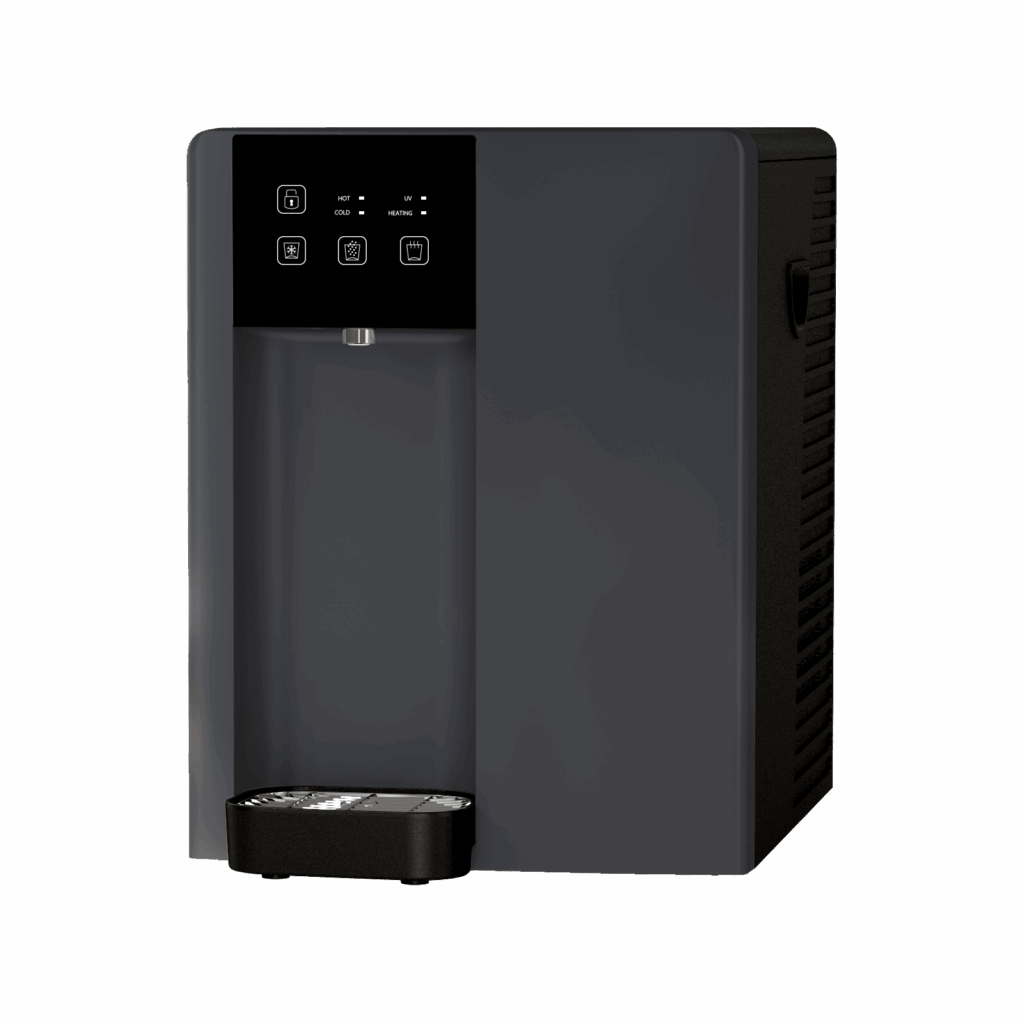
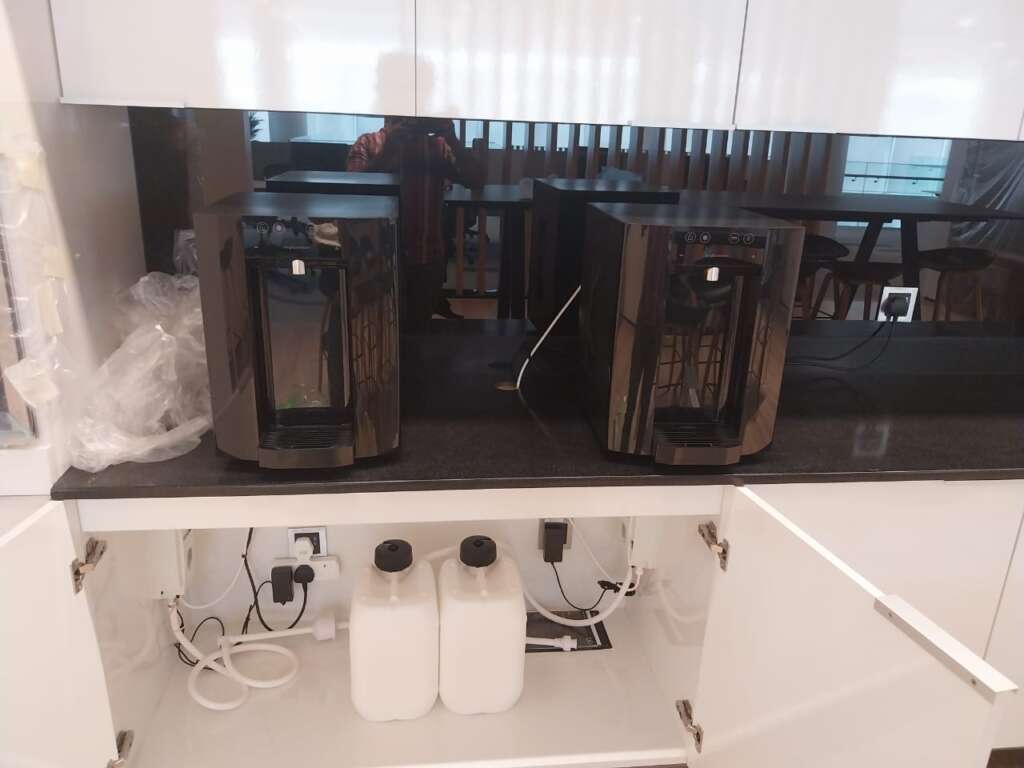
Mains-fed water coolers connect directly to your building’s water supply and pass the water through a filtration system before chilling, heating, or carbonating it. There are no bottle deliveries to manage, no storage space required, and no risk of running out during a busy day. The water produced is consistently filtered and, in most cases, of higher quality than bottled alternatives that have been sitting in large plastic containers. Mains-fed systems are now the fastest-growing segment in the UK water dispenser market, reflecting a clear shift in business preferences driven by sustainability and operational simplicity.
Bottled water coolers, by contrast, rely on five-gallon water bottles that are delivered and changed on a regular schedule. The rental fee for the machine itself may appear lower at first glance, but the ongoing cost of water deliveries adds considerably to the total outlay. A medium-sized office consuming two bottles per week could easily spend GBP 50 to GBP 100 per month on water alone, before factoring in the rental fee. For offices with limited storage space, the logistical challenge of managing bottle stock is an additional inconvenience.
When comparing costs over a full year, most businesses with mains-fed access find that a point-of-use system offers better value, greater convenience, and a smaller environmental footprint. The absence of plastic bottle waste is particularly relevant for organisations with sustainability commitments or ESG reporting obligations. For guidance on making this comparison for your specific situation, Sovereign Water’s team can assist with a free assessment.
“Modern workplaces increasingly favour bottleless water coolers integrated with building water systems, reflecting both sustainability priorities and a desire to reduce operational complexity.” (Intel Market Research, Water Coolers Market Outlook, 2026)
Hidden Costs to Watch Out For
The rental market for water coolers, like many service-based sectors, has a number of costs that are not always prominent in initial quotes. Being aware of these in advance places you in a stronger negotiating position and helps avoid unwelcome surprises once a contract is in place.
Installation charges are one of the most common areas of ambiguity. Some suppliers include professional installation in the rental fee; others treat it as a one-off charge that is invoiced separately. If your building requires plumbing work to connect a mains-fed unit, this may add further cost. Always request a written breakdown of all one-off charges before agreeing to a contract.
Minimum contract terms and early termination fees are another area where businesses can find themselves locked in unexpectedly. Some suppliers operate on 12, 24, or 36-month minimum terms with significant penalties for early exit. If your office is growing, relocating, or likely to change in size over the contract period, a shorter rolling contract may be preferable even if the monthly rate is slightly higher.
Out-of-warranty or out-of-contract repairs can also catch businesses off guard. If a machine breaks down and the fault is deemed to fall outside the scope of the service agreement, a repair or replacement callout charge may apply. Similarly, consumables such as drip trays, cups, or certain filter components are sometimes charged separately. For bottled cooler arrangements, delivery fees, bottle deposits, and collection charges for empties all add to the running total.
Finally, price escalation clauses within contracts allow suppliers to increase the monthly rental fee annually, often tied to RPI or CPI inflation. With inflation having fluctuated considerably in recent years, a contract taken out at a seemingly reasonable rate can become materially more expensive over a three or five-year term. Always check for escalation clauses and, where possible, negotiate a fixed price for the duration of the initial contract period.
Buying vs Renting: The True Cost Comparison
For many businesses, renting a water cooler feels like the natural, low-risk option. There is no large upfront cost, maintenance is someone else’s responsibility, and machines can theoretically be returned if circumstances change. These are genuine advantages. However, for businesses with stable, long-term requirements, purchasing a water cooler outright or through a finance arrangement can prove considerably more cost-effective over a three to five-year horizon.
Consider a mid-range mains-fed water cooler retailing at around GBP 800 to GBP 1,500. A business renting a comparable machine at GBP 40 per month will spend GBP 1,440 over three years in rental fees alone, before accounting for any out-of-contract charges. The same business that purchased the machine outright and arranged a separate maintenance contract, which typically costs less than an all-inclusive rental, may find the total three-year cost substantially lower. Over five years, the difference becomes even more pronounced.
The appeal of a rental arrangement from certain suppliers lies partly in the simplicity of a single invoice and the absence of capital expenditure. For businesses operating on tight cash flow or those who prefer to preserve capital for core operations, this can be a reasonable trade-off. However, it is always worth requesting a full total cost of ownership analysis before committing. Sovereign Water offers a transparent consultation process that includes this comparison, helping businesses make the decision that genuinely suits their situation rather than the one that suits a supplier’s margin.
Businesses that have historically rented from large national providers should also be aware that they may be paying a significant premium for the brand name rather than superior service or product quality. Specialist independent suppliers can often provide equivalent or superior equipment and support at a more competitive price, with greater flexibility and more personal account management. You can explore Sovereign Water’s Smart Maintenance programme for an example of what genuinely proactive, transparent support looks like.
Choosing the Right Water Cooler for Your Business
Once you have a clear understanding of the costs involved, the next step is identifying which type of water cooler is the right fit for your workplace. The choice depends on several factors: the number of people the machine will serve, whether your premises have suitable plumbing for a mains-fed connection, the importance of sustainability to your organisation, and what additional features you require beyond basic chilled water.
For small offices of up to 20 people, a countertop mains-fed unit or a compact bottled cooler is typically sufficient. These models occupy minimal space and deliver a steady supply of chilled water throughout the day. For medium to large offices, floor-standing mains-fed dispensers with both chilled and ambient options offer greater capacity and do not require bottle management. For high-demand environments, premium units such as the ZIP HydroTap or BRITA VIVREAU deliver boiling, chilled, and sparkling water from a single point, substantially reducing the need for kettles and reducing energy consumption in the process.
Hygiene is a consideration that should not be overlooked. All water coolers, whether rented or owned, require regular sanitisation to prevent bacterial growth. In the UK, the Water Regulations Advisory Scheme (WRAS) sets guidelines for water fittings and hygiene standards. When evaluating any rental agreement, confirm that the supplier’s servicing schedule meets or exceeds these standards and that records of each service visit are provided as a matter of course.
Businesses with specific water quality challenges, such as very hard water or high sediment levels, may also benefit from a supplier that can assess water quality before recommending a dispenser. In hard water areas, a dispenser without adequate filtration will require more frequent maintenance and may produce water with a noticeably flat taste. Sovereign Water’s approach begins with a water quality assessment rather than a product recommendation, ensuring the solution specified is genuinely fit for purpose.
Frequently Asked Questions
How much does it cost to rent a water cooler in the UK?
Rental costs typically range from GBP 25 to GBP 60 per month for standard mains-fed or bottled units, depending on the machine specification and the services included in the contract. Entry-level bottled coolers can be found from around 68p per day, though this does not include the cost of water deliveries. Always ask for a full breakdown of all costs before signing a rental agreement.
Is it cheaper to rent or buy a water cooler?
Over a short period, renting is generally the lower-risk option with no upfront capital cost. Over three to five years, purchasing a machine outright and maintaining it separately often proves more cost-effective. The right answer depends on your cash flow position, the stability of your requirements, and how long you expect to remain in your current premises. Sovereign Water can provide a total cost of ownership comparison on request.
What should be included in a water cooler rental agreement?
A comprehensive rental agreement should include delivery, professional installation, regular servicing (at least every six months), filter changes, sanitisation visits, and repair or replacement of faulty units, all within the monthly fee. Be cautious of agreements that list these as optional extras or that include significant callout charges for routine faults.
What is the difference between a mains-fed and a bottled water cooler?
A mains-fed water cooler connects directly to your building’s water supply and filters the water on demand. There are no bottle deliveries and no risk of running out. A bottled cooler relies on large water containers that are delivered periodically and swapped as needed. Mains-fed systems are generally more cost-effective and environmentally friendly for offices with a suitable plumbing connection.
Can I get out of a water cooler rental contract early?
This depends entirely on the terms of your specific contract. Many suppliers apply early termination fees if you exit before the minimum contract term has expired. Always read the contract terms carefully before signing, and ask the supplier to explain any restrictions on early exit. If flexibility is important to your business, opt for a rolling monthly contract even if the monthly rate is slightly higher.
Ready to Find the Right Water Solution for Your Business?
Sovereign Water provides transparent, expert advice on water dispensers and mains-fed coolers for UK businesses of all sizes. We help you understand the true cost of ownership, match you to the right equipment, and support you throughout the lifetime of your system through our Smart Maintenance programme.