Choosing between a mains-fed water cooler and a bottled water cooler is one of the most common decisions facing UK facility managers and office administrators. On the surface it looks straightforward, but the long-term implications for cost, hygiene, sustainability, and operational convenience are significant. With the UK water dispenser market growing at 9.8% annually and mains-fed systems now the fastest-growing segment, businesses that still rely on bottled coolers are increasingly in the minority.
This guide breaks down the practical differences across the factors that matter most: total cost of ownership, hygiene standards, environmental impact, and day-to-day convenience. If you are reviewing your workplace water dispensing setup or considering a switch, this comparison will help you make an informed decision.
In This Article
How Each System Works
Mains-Fed Water Coolers
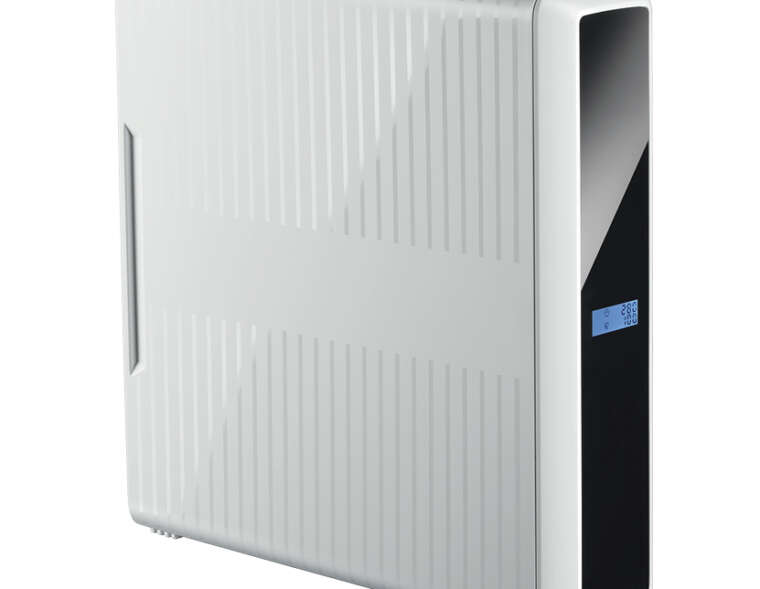
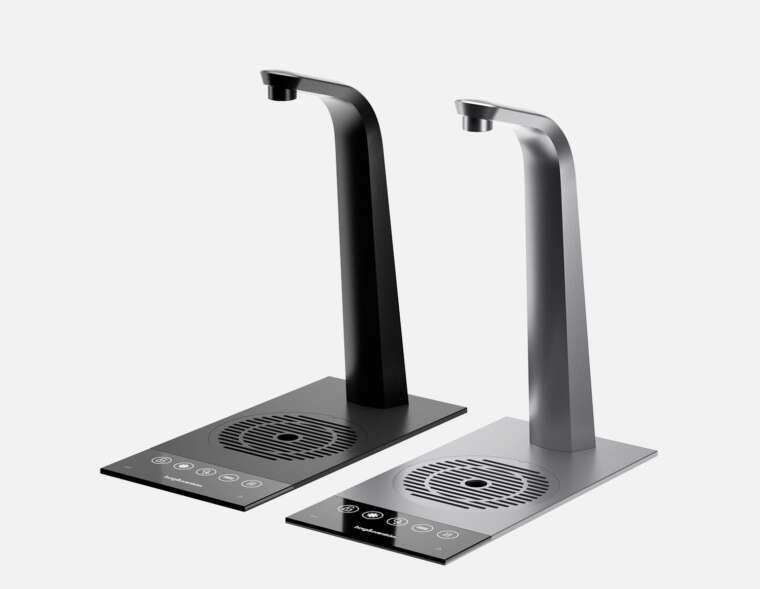
A mains-fed water cooler connects directly to your building’s water supply through a simple plumbing connection. Water passes through a multi-stage filtration system that removes chlorine, sediment, and other impurities before being chilled, heated, or carbonated on demand. There are no bottles to store, replace, or dispose of. The unit draws from an unlimited supply of mains water, filtering and dispensing it continuously throughout the working day.
Modern mains-fed units can be installed up to 13 metres from the nearest mains pipework, which gives most offices considerable flexibility in placement. Installation typically takes a few hours and causes minimal disruption to normal operations.
Bottled Water Coolers
Bottled water coolers use large refillable bottles, usually 19 litres, that sit on top of or inside the unit. When a bottle runs out it must be physically replaced, and regular deliveries are needed to keep the supply going. The water inside the bottles is pre-treated at source, so the cooler itself does not filter the water further.
Bottled coolers require no plumbing connection, which makes them easy to place anywhere with a power socket. This flexibility is their primary advantage, particularly for temporary spaces, events, or locations where running pipework is impractical.

Cost Comparison: Total Cost of Ownership
The upfront cost of a mains-fed cooler is higher than a bottled unit. Installation involves connecting to the mains supply and fitting filtration, which adds to the initial investment. However, the ongoing running costs tell a very different story.
With a bottled cooler, businesses face recurring charges for water bottle deliveries, bottle rental or purchase, and the logistics of scheduling and receiving deliveries. For a medium-sized office consuming 500 litres per week, these costs accumulate rapidly. Over a typical three-year period, the total expenditure on a bottled system often exceeds the cost of a mains-fed unit by a considerable margin.
Mains-fed running costs are limited to the cost of mains water itself (which is a fraction of bottled water pricing), periodic filter replacements, and scheduled maintenance. There are no delivery charges, no bottle deposits, and no minimum order requirements. For offices with consistent daily usage, the financial case for mains-fed is clear: higher initial investment, substantially lower total cost of ownership.
Most businesses recover the additional upfront cost of a mains-fed system within 12 to 18 months through reduced running costs — after which the savings are ongoing.
Hygiene: Which System Is Cleaner?
Hygiene is where the differences between the two systems become most significant, and it is an area that many businesses overlook when making their decision.
Mains-fed coolers filter water at the point of use, passing it through activated carbon and sediment filters immediately before dispensing. Many modern units also incorporate UV disinfection, which eliminates up to 99% of bacteria without chemicals. The water travels a very short distance from the filter to the tap, minimising the opportunity for contamination.
Bottled coolers introduce several additional contamination risks. Every time a bottle is changed, the neck of the bottle and the cooler’s receiving mechanism are exposed to the environment. Bottles are handled during manufacturing, transportation, and storage before reaching your office. If bottles are stored in warm conditions or direct sunlight, bacterial growth can occur before the water even reaches the cooler. The cooler itself also requires regular sanitisation to prevent biofilm buildup in the reservoir.
In post-pandemic workplaces where hygiene standards are under greater scrutiny, mains-fed systems offer a measurably cleaner solution. Combined with touchless dispensing technology, which is now standard on many models, they reduce the number of contact points and handling steps involved in delivering water to employees.
Environmental Impact
The environmental comparison is stark. According to BRITA, mains-fed water dispensers reduce your carbon footprint by 86% compared to bottled water dispensers. This figure accounts for the elimination of bottle manufacturing, transportation, and disposal.
Consider the lifecycle of a single plastic water bottle. Manufacturing a 500ml bottle requires approximately 1.4 gallons of water and oil equivalent to a quarter of the bottle’s volume. Transporting bottled water releases around 62 grams of CO2 per bottle. Multiply that across the thousands of bottles a busy office consumes annually, and the environmental cost becomes substantial.
Mains-fed coolers eliminate this cycle entirely. There are no bottles to manufacture, no delivery vehicles running weekly routes, and no plastic waste to manage. For businesses working towards ESG targets or reporting on Scope 3 emissions, switching from bottled to mains-fed is one of the most straightforward and impactful changes available.
“Mains-fed water dispensers reduce carbon footprint by 86% compared to bottled water dispensers, accounting for bottle manufacturing, transportation, and disposal.” — BRITA Professional
Convenience and Reliability
From a day-to-day operational perspective, mains-fed coolers require considerably less management. There are no deliveries to schedule, no bottles to store (which can occupy valuable office space), and no risk of running out of water between deliveries. The supply is continuous and automatic.
Bottled coolers demand regular attention. Someone needs to monitor stock levels, schedule deliveries, receive and store bottles, and physically change them when they run out. In busy offices, bottles can run out during peak periods, leaving staff without water until a replacement is fitted. The bottles themselves are heavy, typically weighing around 19 kilograms when full, which raises manual handling considerations.
The one area where bottled coolers hold an advantage is placement flexibility. Because they require no plumbing, they can be positioned anywhere with access to a power socket. This makes them suitable for temporary installations, building sites, outdoor events, or locations where running pipework would be disproportionately expensive.
Which System Suits Your Business?
For permanent office environments with consistent daily usage, mains-fed water coolers are the stronger choice across virtually every metric. They cost less over time, deliver better hygiene outcomes, have a dramatically lower environmental impact, and require less ongoing management.
Bottled coolers remain a practical option for temporary spaces, low-usage locations, or sites where plumbing access is genuinely impractical. They also suit businesses that need to provide water in multiple locations across a large site where running pipework to every point would be costly.
Many businesses operate a mixed approach: mains-fed units in their primary office and kitchen areas, with bottled coolers serving satellite locations or meeting rooms away from plumbing runs. This pragmatic combination captures the cost and hygiene benefits of mains-fed where usage is highest, while maintaining flexibility where it is needed.
Making the Switch
If you are currently using bottled water coolers and considering a move to mains-fed, the process is simpler than most businesses expect. A site survey establishes the optimal position for the unit relative to the nearest mains connection, and installation is typically completed in a single visit with minimal disruption.
The key is to work with a supplier who understands your specific requirements. Office size, headcount, peak usage periods, and the water temperature options you need — chilled, ambient, boiling, sparkling — all influence the right specification. A fit-for-purpose recommendation avoids both over-engineering and under-specifying, ensuring you get genuine value from your investment.
Frequently Asked Questions
How much does a mains-fed water cooler cost compared to bottled?
The upfront cost of a mains-fed unit is higher due to installation and plumbing requirements. However, ongoing costs are significantly lower because there are no bottle deliveries or purchases. Most businesses find that a mains-fed system pays for itself within 12 to 18 months through reduced running costs.
Can a mains-fed cooler be installed in any office?
In most cases, yes. Modern mains-fed coolers can be connected up to 13 metres from the nearest mains water supply. A professional site survey will confirm feasibility and identify the best installation approach for your specific premises.
How often does a mains-fed water cooler need servicing?
Filters typically need replacing every six to twelve months depending on usage and local water quality. Professional servicing at the same interval ensures all components are functioning correctly and hygiene standards are maintained. A proactive Smart Maintenance programme keeps the system performing consistently without unexpected downtime.
Is the water from a mains-fed cooler safe to drink?
Absolutely. Mains water in the UK is already treated to strict safety standards. A mains-fed cooler adds further filtration to remove chlorine taste, sediment, and other impurities, delivering clean, great-tasting water. Many units also include UV disinfection for additional protection.
What is the most hygienic type of water cooler?
Mains-fed water coolers are generally considered more hygienic than bottled alternatives because they filter water at the point of use and eliminate the repeated bottle-handling process that introduces contamination risk. UV disinfection, available on many mains-fed models, provides an additional layer of protection.
Ready to Make the Switch?
Sovereign Water supplies and maintains both mains-fed and bottled water cooler systems for commercial premises across the UK. Our team can assess your current setup, recommend the right solution for your requirements, and handle the full installation and ongoing maintenance.