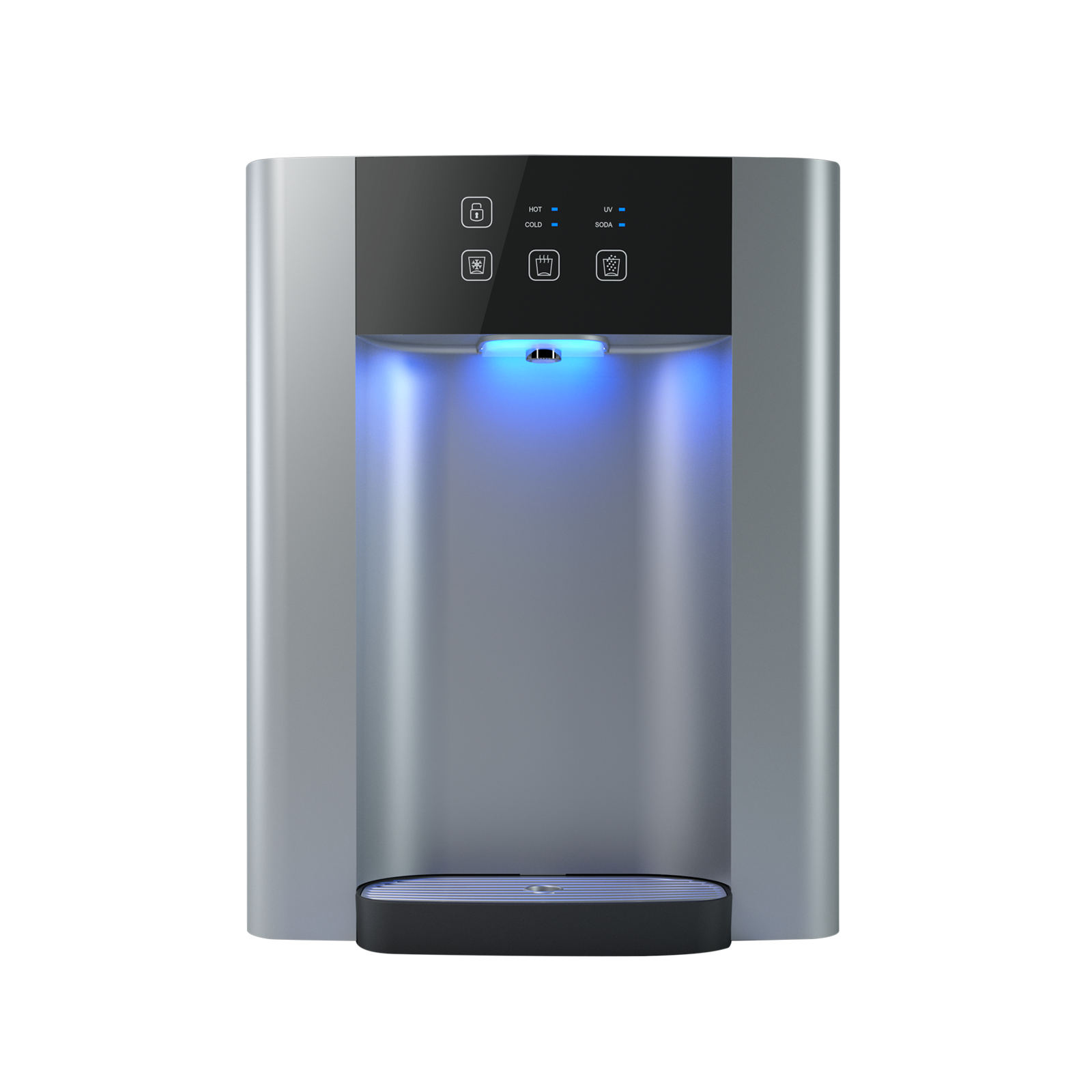

The Future of Hydration: Integrating Bottle-Free Water Coolers in Modern Workplaces
Table of Contents
- Understanding Bottle-Free Water Coolers
- Environmental Impact and Sustainability Benefits
- Cost Efficiency and Operational Advantages
- Health, Hygiene, and Water Quality Considerations
- Implementation Guide: Transitioning to Bottle-Free Systems
Understanding Bottle-Free Water Coolers
Bottle-free water coolers, also known as point-of-use (POU) or plumbed-in water systems, represent a significant evolution in workplace hydration solutions. Unlike traditional bottled water dispensers that require regular delivery and replacement of heavy plastic bottles, bottle-free systems connect directly to a building’s existing water supply. This fundamental difference transforms how organisations approach hydration strategy across their facilities.
These modern systems employ advanced filtration technology—typically a multi-stage process involving carbon filtration, sediment removal, and often UV purification—to deliver clean, great-tasting water without the logistical burden of bottle management. For UK businesses, this approach addresses several pain points simultaneously: sustainability commitments, operational inefficiencies, and the growing expectation from employees and customers for environmentally responsible practices.
The technology has matured significantly in recent years, with contemporary bottle-free coolers offering diverse temperature options (chilled, ambient, and hot water), sparkling water capabilities, and even flavour infusions—all from a single, space-efficient unit. The design aesthetics have similarly evolved, with sleek, modern options that complement contemporary office environments rather than detract from thoughtfully designed workspaces.
For facilities managers and procurement teams evaluating hydration solutions, understanding these fundamental differences is crucial when comparing bottle-free systems against traditional alternatives. The elimination of plastic bottles represents just the beginning of the transformation in how water is delivered, consumed, and managed in professional environments.
Environmental Impact and Sustainability Benefits
The environmental case for bottle-free water coolers is compelling for organisations with serious ESG commitments. A typical 19-litre plastic water bottle used in traditional coolers will be reused approximately 40-50 times before being recycled or discarded. Even with recycling, the carbon footprint associated with manufacturing, transporting, cleaning, and eventually recycling these bottles is substantial.
In contrast, bottle-free systems eliminate this entire cycle. For a medium-sized UK office with 50 employees, switching to a bottle-free solution can prevent approximately 500-700 plastic bottles from entering the supply chain annually. This reduction directly supports corporate sustainability goals and waste reduction targets—increasingly important metrics for stakeholders, investors, and employees alike.
The environmental benefits extend beyond plastic reduction:
- Reduced carbon emissions: Eliminating regular water deliveries significantly reduces transportation-related carbon emissions. For businesses with multiple locations across the UK, this reduction compounds meaningfully.
- Water efficiency: Many modern bottle-free systems are designed to minimise water waste during filtration, operating more efficiently than the industrial bottling processes they replace.
- Energy consumption: Contemporary bottle-free units employ energy-efficient cooling technology, often consuming less electricity than older bottled water coolers with their energy-intensive refrigeration systems.
These environmental advantages align perfectly with the UK’s broader sustainability agenda, including the government’s target to achieve net-zero carbon emissions by 2050. For businesses working toward certification standards such as BREEAM, ISO 14001, or B Corp status, the transition to bottle-free systems represents a tangible, measurable sustainability improvement.
Cost Efficiency and Operational Advantages
The financial case for bottle-free water coolers is equally compelling when examined through the lens of total cost of ownership. Traditional bottled water delivery services typically involve multiple expenditures: the water itself, delivery fees, bottle deposits, storage costs, and administrative overhead associated with managing orders and deliveries.
A detailed cost analysis reveals that UK businesses can expect to reduce their water service expenditure by approximately 30-50% over a five-year period by switching to bottle-free systems. While the initial investment in bottle-free technology may be higher, the elimination of recurring costs creates significant long-term savings.
Consider these operational advantages:
- Space optimisation: Removing the need for bottle storage frees up valuable space in cramped office environments. For businesses in prime locations where real estate costs are premium, this space saving translates to tangible financial benefit.
- Administrative efficiency: Eliminating the need to monitor inventory, place orders, and coordinate deliveries reduces administrative burden on facilities teams.
- Uninterrupted supply: Bottle-free systems provide continuous access to filtered water without the risk of running out between deliveries—a common pain point with traditional systems.
- Scalability: As organisations grow or relocate, bottle-free systems offer greater flexibility, with simpler scaling options compared to renegotiating bottle delivery contracts or managing multiple supplier relationships.
For finance directors and procurement teams tasked with reducing operational costs while maintaining or improving service quality, bottle-free water coolers represent an opportunity to achieve both objectives simultaneously—a rare win-win in the typical cost-benefit analysis.
Health, Hygiene, and Water Quality Considerations
In the post-pandemic workplace, health and hygiene considerations have taken on renewed importance. Bottle-free water systems offer several advantages in this regard, beginning with reduced touchpoints in the water delivery process. Traditional bottle systems require manual handling during delivery, storage, and installation—each representing a potential contamination opportunity.
Modern bottle-free dispensers often incorporate antimicrobial surface treatments and touchless dispensing options, addressing heightened hygiene concerns. The water quality itself benefits from advanced filtration technology that addresses a comprehensive range of potential contaminants:
- Chlorine and chemical disinfectants commonly found in municipal water supplies, which can affect taste and odour
- Sediment and particulate matter that may be present in building plumbing
- Potential biological contaminants through UV purification in premium systems
- Complex contaminants such as microplastics through advanced carbon filtration
For facilities managers and HR professionals concerned with employee wellbeing, these water quality improvements translate to better-tasting water that encourages proper hydration—a factor proven to affect cognitive performance, energy levels, and overall workplace productivity.
Regulatory compliance is another crucial consideration. Bottle-free systems must meet strict UK water regulations and standards, including compliance with the Water Supply (Water Fittings) Regulations 1999 and WRAS approval. Reputable providers maintain regular maintenance schedules, including filter replacements and sanitisation procedures, ensuring consistent water quality and regulatory compliance.
Implementation Guide: Transitioning to Bottle-Free Systems
The transition to bottle-free water coolers requires thoughtful planning but need not be complex. A structured approach ensures minimal disruption and maximum benefit:
1. Assessment and site survey: Begin with a comprehensive evaluation of your current water consumption patterns, existing plumbing infrastructure, and available installation locations. Professional providers should offer this service without obligation.
2. System selection: Based on the assessment, identify the appropriate system capacity and features required. Consider factors such as:
- Expected usage volume
- Desired water options (chilled, ambient, sparkling)
- Space constraints and aesthetic requirements
- Filtration needs based on local water quality
3. Installation planning: Coordinate a convenient installation timeline that minimises workplace disruption. Professional installation typically takes just 2-3 hours per unit.
4. Employee communication: Develop a simple communication plan to inform staff about the new system, its benefits, and basic operation. This is an opportunity to highlight the organisation’s commitment to sustainability.
5. Maintenance schedule: Establish a regular maintenance calendar with your provider, ensuring ongoing water quality and system performance.
For multi-site businesses, a phased implementation approach often works best, allowing for adjustments based on feedback from initial installations before full-scale deployment across all locations.
When evaluating potential providers, consider not just the equipment specifications but also the quality of their service offerings, including response times for technical support and their preventative maintenance programmes. The right partner should offer comprehensive support throughout the transition process and beyond.
Make the Switch to Sustainable Hydration Today
Ready to transform your workplace hydration strategy with a bottle-free water solution that aligns with your sustainability goals and operational needs? Sovereign Water’s team of specialists can conduct a comprehensive hydration assessment of your facility, providing a tailored proposal that details exact cost savings, environmental impact reduction, and implementation timeline specific to your space. Schedule your no-obligation site survey today and discover how our designer water systems can elevate your workplace while reducing your environmental footprint.