
In plain terms, PPM (parts per million) measures how much dissolved material is in your water. TDS (total dissolved solids) is the combined reading, usually shown in ppm or mg/L. For a UK business, that number is a useful starting point for understanding what is reaching coffee machines, ice makers, steam equipment, boilers and drinking-water systems.
TDS alone does not tell you whether water is safe or identify every substance in it. It tells you how much dissolved material is present. The useful decision comes from reading TDS alongside hardness, alkalinity, chloride and the water-quality requirements of the equipment being protected.
Last updated: September 2026. This guide is for facilities managers, hospitality operators, coffee businesses, foodservice teams and commercial fit-out partners who need to understand what TDS and PPM mean for a UK site.
TL;DR
- TDS and PPM describe the amount of dissolved material in water, not the identity of every substance.
- The WHO rates drinking water under 300 mg/L as excellent for taste, and the Specialty Coffee Association targets 150 mg/L for brewing, but the correct range depends on the equipment and use.
- UK mains water varies by region. Hardness minerals can create scale even when the overall TDS reading is not especially high.
- High or unstable readings can affect taste, coffee extraction, glassware, ice, steam and hot-water equipment.
- A site-specific water test is the sensible starting point for choosing filtration, softening, reverse osmosis or a combination.
In this article
- What TDS and PPM mean
- What the reading means for UK businesses
- How TDS is measured and what it cannot tell you
- Useful TDS ranges by application
- What high TDS and hardness can do to equipment
- How to bring TDS under control
- A practical site-assessment checklist
- Frequently asked questions
- Sources and technical notes
- Talk to Sovereign Water
What do TDS and PPM actually mean?
TDS stands for Total Dissolved Solids. It describes the combined amount of dissolved inorganic salts and organic material in water, including minerals such as calcium and magnesium and ions such as sodium, chlorides and sulphates.
PPM means parts per million. In water, it is commonly treated as approximately equivalent to milligrams per litre, so a reading of 300 ppm means roughly 300 milligrams of dissolved material in each litre of water. PPM is the unit; TDS is what is being estimated.
The minerals themselves are not automatically a problem. Calcium and magnesium affect taste and contribute to water hardness. Very low-mineral water can taste flat and may not suit every beverage or equipment application. The practical question is whether the water arriving at a particular appliance is suitable for that appliance and the result the business needs.
What the reading means for UK businesses
UK mains water is not the same everywhere. Upland and surface-water supplies can be relatively soft, while chalk and limestone regions, including London and much of the South East, can have much higher hardness. Thames Water, for example, describes all the water it supplies as hard. You can check your area on our water hardness page. Two sites in different parts of the country can therefore need different treatment even when both are connected to the public mains.
For a business, the most useful question is not whether the water is simply “good” or “bad”. It is whether the water is appropriate for the intended job:
- a coffee machine may need controlled hardness and alkalinity for consistent extraction
- an ice machine may need protection from scale and unwanted deposits
- a steam oven or boiler may need feed water within the manufacturer’s limits
- a glasswasher may need low-mineral final-rinse water to reduce spotting
- a drinking-water tap may need carbon filtration for taste and chlorine control
A TDS figure can help identify a change or an unusual supply, but it should not be used as the only basis for a commercial specification. Hardness and chloride can matter more than the total number for some appliances.
For a wider view of workplace drinking-water options, see the office water dispenser comparison. For treatment systems, browse the Sovereign Water Products page.
How TDS is measured and what it cannot tell you
A handheld TDS meter estimates dissolved solids by measuring electrical conductivity. More dissolved ions usually mean higher conductivity, allowing the meter to provide a quick reading at the point of use.
That is useful for a first check, trend monitoring and service conversations. It is not a full water analysis. TDS does not identify which substances are present, and it does not by itself confirm that water is free from a particular contaminant.
A reading can also vary depending on where and when it is taken. Water from a storage tank, a hot-water outlet, a treatment bypass or a different floor may not represent the water reaching the appliance that matters. Record the sample location, date, temperature and operating conditions when comparing readings.
TDS is a water-quality indicator, not a safety certificate. The WHO sets no health-based guideline value for TDS. Use it with the relevant laboratory or professional tests when the application requires more detail.
Useful TDS ranges by application
The figures below are practical starting points, not universal pass or fail limits. Always check the equipment manufacturer’s requirements before specifying treatment.
| Application | Useful working range | Why it matters |
|---|---|---|
| Espresso and filter coffee | SCA target 150 ppm, acceptable 75 to 250 ppm | Supports balanced extraction when hardness and alkalinity are also suitable |
| Ice machines | About 50 to 200 ppm | Helps manage deposits, cloudiness and scale on sensitive components |
| Steam ovens and boilers | Often below 125 ppm feed water | Reduces the mineral load on heating elements, probes and steam circuits |
| Drinking and table water | Under 300 ppm rated excellent for taste by the WHO | Very low readings can taste flat; subject to the wider water analysis |
| Glasswasher final rinse | Often very low, commonly RO-polished | Helps reduce spotting and residue on glassware and cutlery |
These ranges should not be presented as a guarantee of performance. Water chemistry, equipment design, flow, temperature and maintenance all affect the result.
What high TDS and hardness can do to equipment
Dissolved minerals can come out of solution when water is heated or evaporated. That is why scale is often found on espresso machines, boilers, combi ovens, steam equipment, dishwashers and ice-making components.
Possible consequences include:
- deposits on heating elements and probes
- blocked restrictors, valves and small waterways
- more frequent cleaning and descaling
- shorter filter or membrane service life
- inconsistent coffee, ice or steam output
- spots or residue on washed glassware
TDS is not the same as hardness. A high TDS reading may include minerals that do not create the same scale risk, while a moderate overall reading can still include enough calcium and magnesium to affect a sensitive appliance. This is why the treatment decision should follow the water analysis and the equipment requirements.
For service planning, use the Sovereign Water maintenance programme alongside the treatment specification.
How to bring TDS under control
The right treatment depends on the starting water, the application and the required output. The main approaches are different tools, not interchangeable labels.
Filtration and scale control
Carbon and sediment filtration can be considered where taste, chlorine or suspended matter is the main concern. Some applications also use scale-control media or hardness reduction cartridges. The selected media and capacity should match the water analysis, flow and maintenance plan.
Ion-exchange softening
A water softener exchanges calcium and magnesium for sodium. It can be considered where hardness management and scale prevention are the main requirements. Softening changes the hardness profile but does not remove all dissolved solids, so it is not a substitute for reverse osmosis in every application.
Reverse osmosis
Reverse osmosis reduces a broad range of dissolved material and may suit applications that require lower-mineral water, such as some glasswasher final-rinse, beverage or process-water setups. It needs correct sizing, pre-treatment, storage and a plan for the water produced. Beverage applications may require blending or remineralisation rather than near-zero TDS at the point of service.
The correct answer may combine more than one stage. Good specification avoids both under-treatment and unnecessary equipment by matching the system to the water and the job.
A practical site-assessment checklist
Before selecting or changing treatment, gather:
- a current water sample from the relevant point of use
- TDS, hardness, alkalinity and chloride results where the application justifies them
- equipment models and manufacturer water requirements
- daily demand and peak-use periods
- water, power, drainage and cupboard-space information
- existing filters, softeners, membranes and maintenance history
- the proposed service access and the person responsible for routine checks
- the business priority, such as taste, scale control, coffee consistency, glassware or equipment protection
A site assessment should explain what the readings mean for the equipment, not just provide a number. It should also leave the facilities team with a practical monitoring and maintenance plan.
Frequently asked questions
What is a good TDS level for drinking water?
The WHO rates drinking water with less than 300 mg/L (roughly 300 ppm) as excellent for taste, and notes that water with extremely low TDS can taste flat. TDS is not a safety certificate, so a safe drinking-water decision should consider the full water analysis and the source.
Is high TDS the same as hard water?
No. TDS measures the total dissolved material, while hardness mainly describes calcium and magnesium. The two can be related, but they are not the same measurement and can lead to different treatment decisions.
Is low-TDS water dangerous?
A low TDS reading does not by itself mean water is dangerous. Very low-mineral water can taste flat and may not suit certain equipment or beverage applications. The right approach is to check the full chemistry and the manufacturer’s requirements.
What TDS should I use for espresso?
The Specialty Coffee Association's water standard targets 150 ppm, with 75 to 250 ppm acceptable, but TDS is only one part of the target. Hardness, alkalinity, temperature and the coffee machine’s specification also matter. A coffee-focused water plan should measure the relevant parameters together.
How do I test the TDS of my water?
A handheld TDS meter gives a quick indicative reading. For a commercial treatment decision, take the sample from the correct point of use and combine the reading with the tests relevant to the appliance and site.
Sources and technical notes
- World Health Organization: Total dissolved solids in drinking-water (background document)
- Specialty Coffee Association: Dissecting the SCAA water quality standard
- Drinking Water Inspectorate: Water hardness and hard water
- Thames Water: Hard water
The ranges for ice machines, steam equipment and glasswasher rinse water are practical starting points from our own specification work, not published limits. Manufacturer specifications and water conditions can change. Confirm the final treatment design against current documentation and a current site assessment.
Talk to Sovereign Water about your site
Tell us about your water, equipment, demand and operating requirements. Sovereign Water can discuss a practical treatment route for UK offices, hospitality venues, foodservice sites and commercial facilities.
Products mentioned in this article
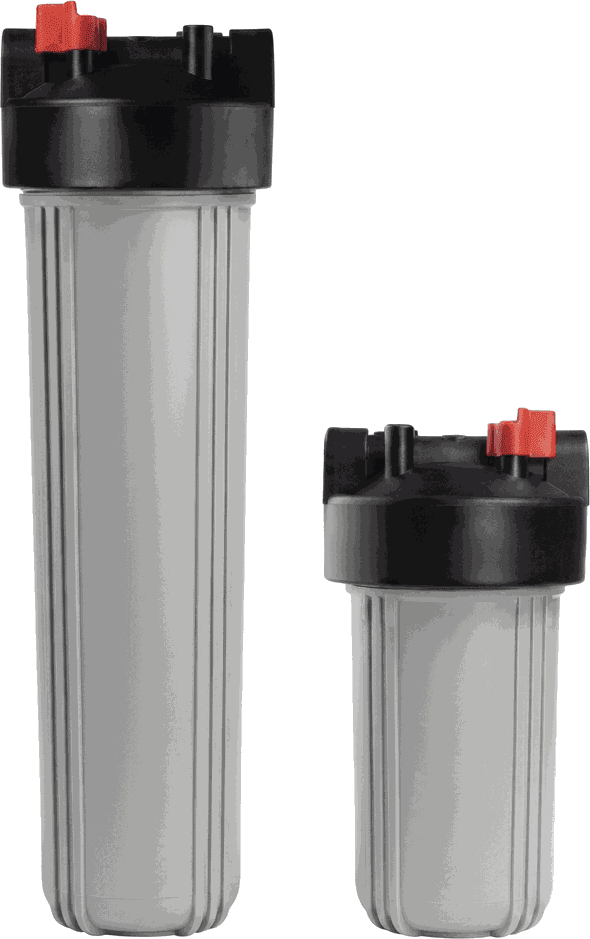
Whole-site filter housings for domestic and commercial applications: the Big Grey range takes 4.5 x 20 inch and 4.5 x…
View product →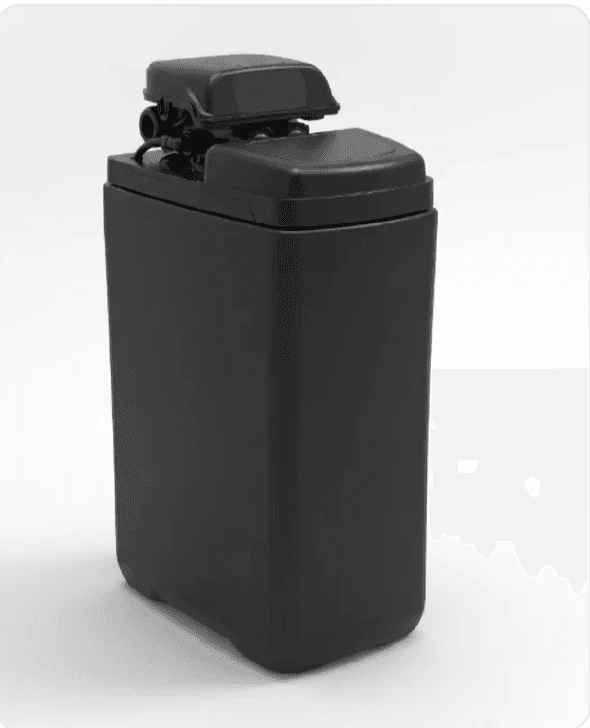
Compact, efficient softening for larger homes and small commercial sites: up to 3 m3 per hour with up-flow…
View product →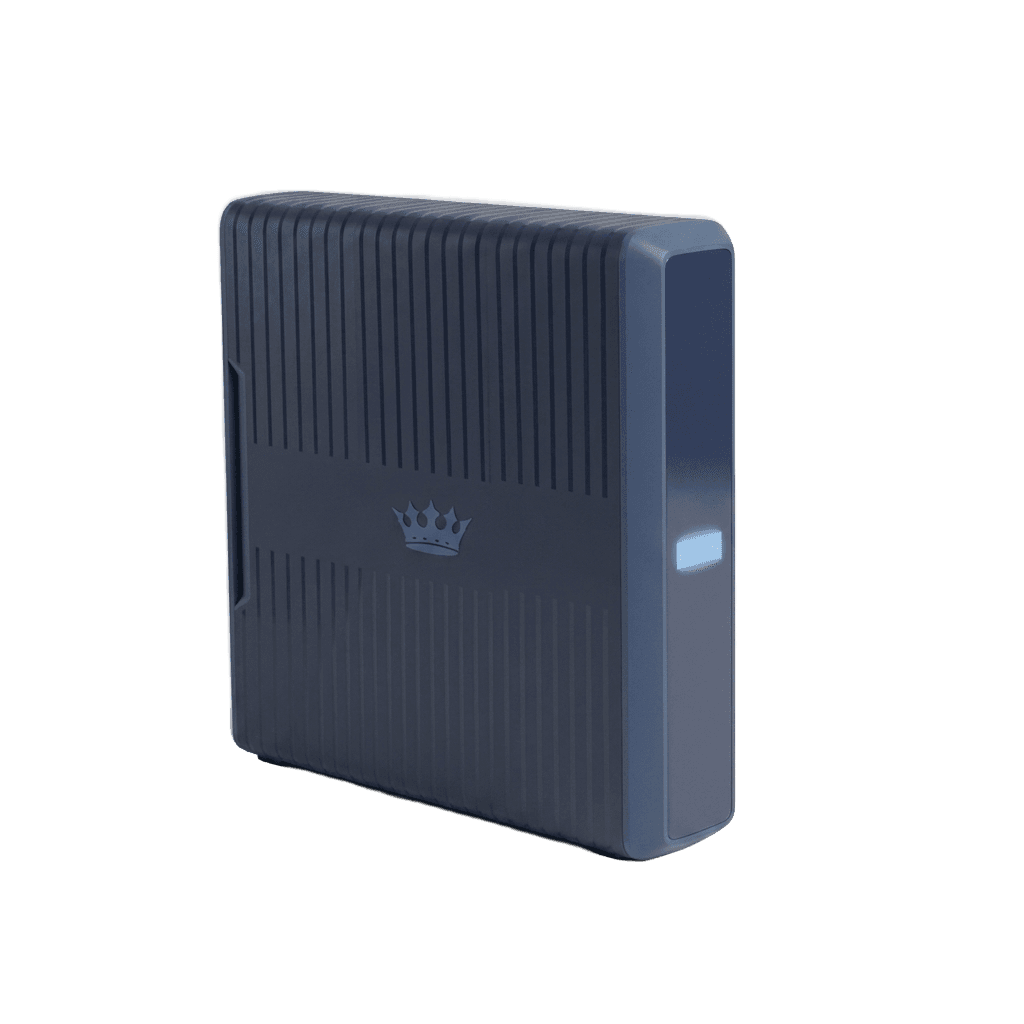
High-performance, compact undersink reverse osmosis: up to 120 litres per hour of high-quality filtered water…
View product →