
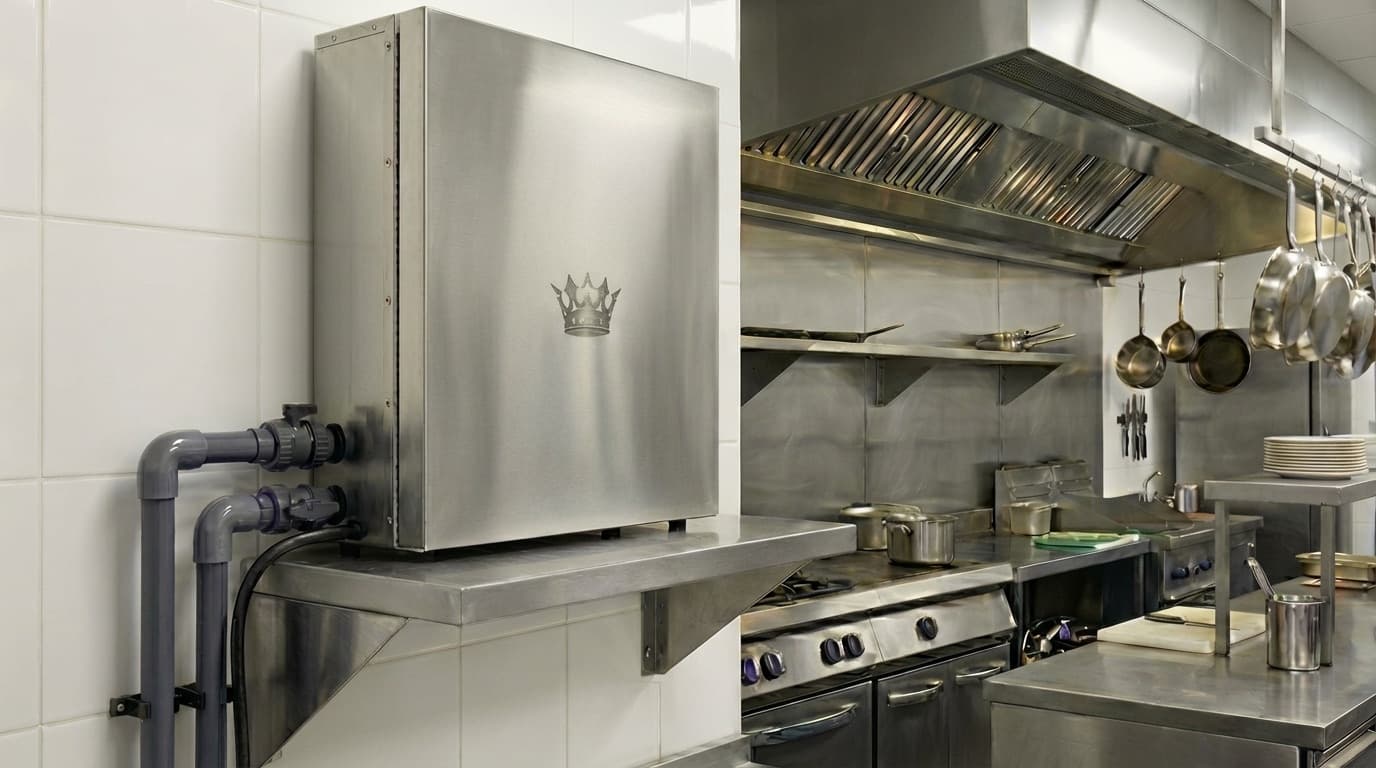
A reverse osmosis water system in a restaurant earns its place across three core areas: ice machines, coffee machines and front-of-house drinking water for staff and customers. In the hard water regions that cover much of England, the same mains supply that scales up a coffee boiler also clouds your ice and spoils the taste of the water you serve at the table. A single, well-specified reverse osmosis (RO) system can supply and protect all three.
Much of England sits on chalk and limestone, so many restaurants, particularly in London, the South East and East Anglia, work with genuinely hard water. Thames Water says all the water in its region is hard, and Anglian Water describes its supply as hard to very hard. That hardness does not stay in the back kitchen. It turns up as cloudy ice, scaled-up coffee machines and flat, heavily mineralised drinking water. Treating the water once, properly, is far more effective than fighting these problems machine by machine.
What a reverse osmosis system actually does
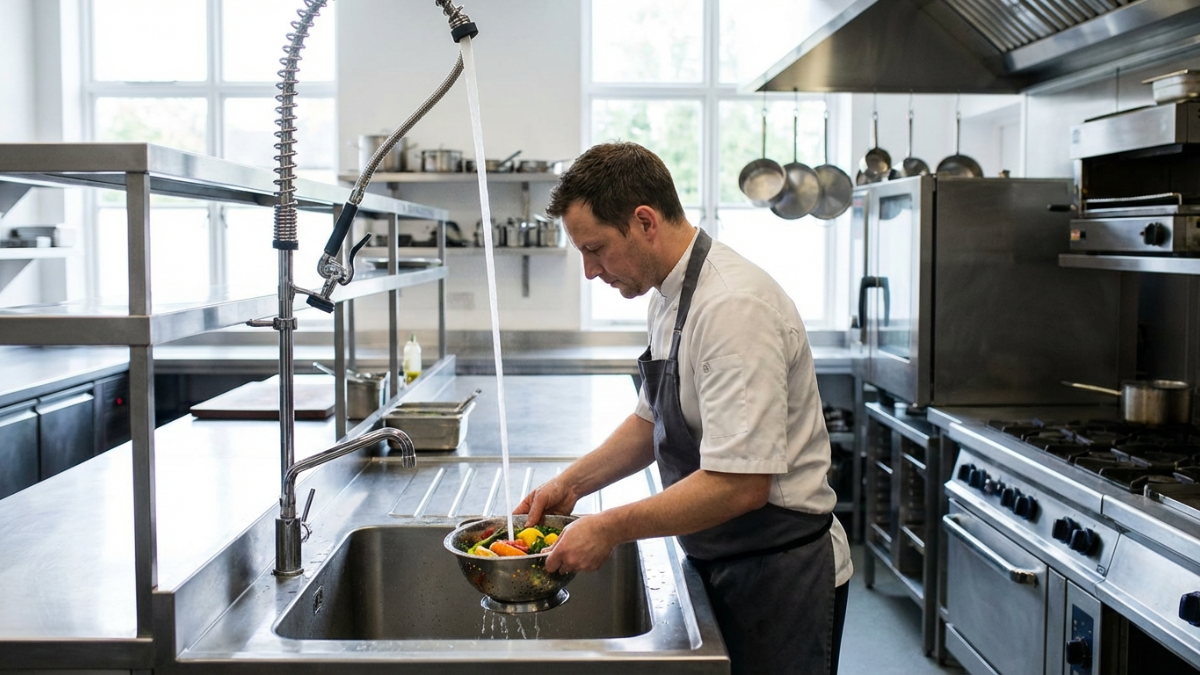
A reverse osmosis system forces mains water through a semi-permeable membrane that removes the majority of dissolved minerals, salts and impurities, then delivers clean water to your equipment and taps at a controlled quality. Better systems blend or re-mineralise the output so the water is not too pure, giving you a defined specification rather than simply the lowest possible mineral content.
The point for a restaurant is consistency and protection. Hard mains water varies and scales equipment, while RO gives you the same low-scale water every day. For drinking water and drinks, a small, controlled mineral content is reintroduced so the water tastes clean and balanced.
How a restaurant RO system is put together
A commercial RO system is a short chain of stages, each protecting the next. Our guide to reverse osmosis for UK businesses covers the process in more depth.
| Stage | What it does |
|---|---|
| Sediment pre-filter | Catches sand, rust and other particles that would block later stages |
| Carbon pre-filter | Removes chlorine, which damages most RO membranes, and improves taste |
| RO membrane | Removes most of the dissolved minerals and salts |
| Storage tank, where needed | Holds treated water so the system can keep up with peaks during service |
| Blending or remineralisation | Brings minerals back to a set level for taste and for the equipment |
The three core uses in a restaurant
A restaurant RO system typically serves three areas, all of which depend on clean, consistent, low-scale water and can run from one correctly sized system: ice machines, coffee machines and front-of-house drinking water for staff and customers.
| Area | What hard water does | What RO water gives you |
|---|---|---|
| Ice machines | Cloudy, fast-melting ice, and scale on the evaporator plate that cuts output and reliability | Clearer, slower-melting ice and a protected machine |
| Coffee machines | Scale is a common cause of faults, and extraction shifts with mineral content | Water blended to a target hardness, a repeatable cup and a protected boiler |
| Front-of-house drinking water | A heavy, mineral taste in still and sparkling water | Clean-tasting water for guests and staff, without the cost, storage and waste of bottled water |
A growing number of restaurants now serve their own filtered still and sparkling water to customers, and chilled drinking water to staff, from a dispenser or tap. RO is an ideal source for both.
For more on each use, see our guides to water for coffee and water for ice.
Steamers, combi ovens and glasswashers also benefit from the same treated supply, so a single system can extend protection across the whole kitchen.
Signs your restaurant would benefit from RO
Most restaurants notice the water problem through the equipment and the guests before anyone tests anything. Common signs include:
- cloudy ice, or ice that melts quickly in the glass;
- a coffee machine that needs frequent descaling, or repeat scale-related callouts;
- white spots and film on glassware after the glasswasher;
- staff or guests remarking on the taste of the drinking water;
- buying bottled still and sparkling water for table service.
One of these alone may only need a single filter. Several together usually point to a whole-site approach.
RO, softener or filter: which does a restaurant need?
RO is not the only answer, and it is not always the right one. The choice depends on what you need to protect and how hard your water is.
| Option | What it does | Where it usually fits |
|---|---|---|
| Cartridge filter | Reduces chlorine and improves taste; scale-inhibiting cartridges slow scale build-up | One coffee or ice machine on moderately hard water |
| Water softener | Swaps calcium and magnesium for sodium, which stops scale but does not lower total dissolved solids | Dishwashers, glasswashers and hot water, not normally drinking water or espresso |
| Reverse osmosis | Removes most dissolved solids, then blends back to a set level | Several sensitive uses from one supply on hard water |
Many sites combine them, for example a softener on the dishwasher and RO for drinks and ice. Our commercial water softener guide explains where softening fits.
The business case for restaurants
The business case for RO is about total cost of ownership, not just water quality. Protecting expensive equipment from scale reduces breakdowns, callouts, energy waste and early replacement, while improving the consistency of everything you serve and pour. For a multi-site operator, that reliability adds up quickly.
Front-of-house drinking water also has its own return. Serving your own filtered still and sparkling water removes a recurring bottled-water cost, cuts plastic and delivery waste, and adds a premium touch for guests. You can see our range on our products page.

Specifying the right system
The right RO system depends on your menu, your equipment and your local water, so specification should start with a site survey and a look at your peak demand. An undersized system will run short during a busy service, while the wrong configuration wastes water or leaves equipment under-protected.
A good survey looks at:
- the daily and peak water use of each machine, taken from its specification sheet;
- the water specification each equipment maker sets, which some warranties depend on;
- space, a drain and a power supply near where the system will sit;
- whether a storage tank and pump are needed to meet peak demand;
- how the system will be serviced without disrupting a busy kitchen.
Two points are easy to miss. First, an RO system sends part of the water it takes in to drain, carrying away the minerals it removes. How much depends on the system and its set-up, so ask any supplier for the expected recovery rate and daily water use. Second, some combi oven and steamer makers set their own water limits, so check the manual before connecting them to treated water. For steamers, our guide to scale control for commercial steamers covers the options.
This is where expert input pays off. Sovereign Water sizes the system to your real peak draw across ice, coffee and drinking water, specifies sensible pre-treatment such as carbon to protect the membrane, and sets the blend so the water tastes right. We treat the whole site as one system rather than a collection of separate filters.
How Sovereign Water supports hospitality
Sovereign Water designs, installs and maintains reverse osmosis systems for restaurants and hospitality groups across the UK, from a site survey through to commissioning and ongoing service. We work with leading equipment brands and design each system around your ice machines, coffee machines and front-of-house drinking water.
Our planned maintenance programme keeps the system performing with scheduled filter and membrane changes and performance checks, so water quality never quietly drifts. Our water treatment maintenance schedule sets out what is checked and when. Stored water and little-used outlets should also be part of your Legionella risk assessment. To review your site, talk to our team.
Frequently Asked Questions
What does a restaurant use a reverse osmosis system for?
Most commonly three things: ice machines, coffee machines and front-of-house drinking water for staff and customers. One correctly sized RO system can supply all three with clean, consistent, low-scale water, and protect steamers and glasswashers too.
Will RO make my drinks and water taste flat?
Not when specified correctly. A good RO system blends or re-mineralises the water to a target level, so coffee, drinks, ice and drinking water taste clean and balanced rather than flat or aggressive.
Can it supply front-of-house still and sparkling water?
Yes. RO is an ideal source for a still and sparkling water dispenser or tap, giving clean-tasting water for customers and staff while removing the cost and waste of bottled water.
How much maintenance does it need?
RO systems need periodic filter and membrane changes and occasional checks. A planned maintenance programme schedules this for you so performance stays consistent and the membrane lasts.
Does an RO system waste water?
An RO system sends part of its incoming water to drain to carry away the minerals it removes. The amount depends on the system and how it is set up. Ask for the expected recovery rate and daily water use when comparing quotes.
Do I need a storage tank?
Often, yes. A membrane makes water steadily rather than all at once, so a tank lets the system keep up with peaks such as a busy lunch service. Your survey will show whether you need one and what size.
Can RO water go into my combi oven?
Check the oven maker's water specification first. Some set their own limits, and the right answer may be RO, softened water or a dedicated scale-control filter.
Is a water softener a cheaper alternative?
For some uses, yes. A softener stops scale in dishwashers, glasswashers and hot water, but it does not lower total dissolved solids and is not normally used for drinking water or espresso.

Ready to protect your whole restaurant?
Sovereign Water designs, installs and maintains reverse osmosis water systems for restaurants across the UK, supplying ice machines, coffee machines and front-of-house drinking water, backed by a site survey and planned maintenance support. Request a quote.
Sources
- Thames Water, Hard water
- Anglian Water, Hard water fact sheet
Products mentioned in this article
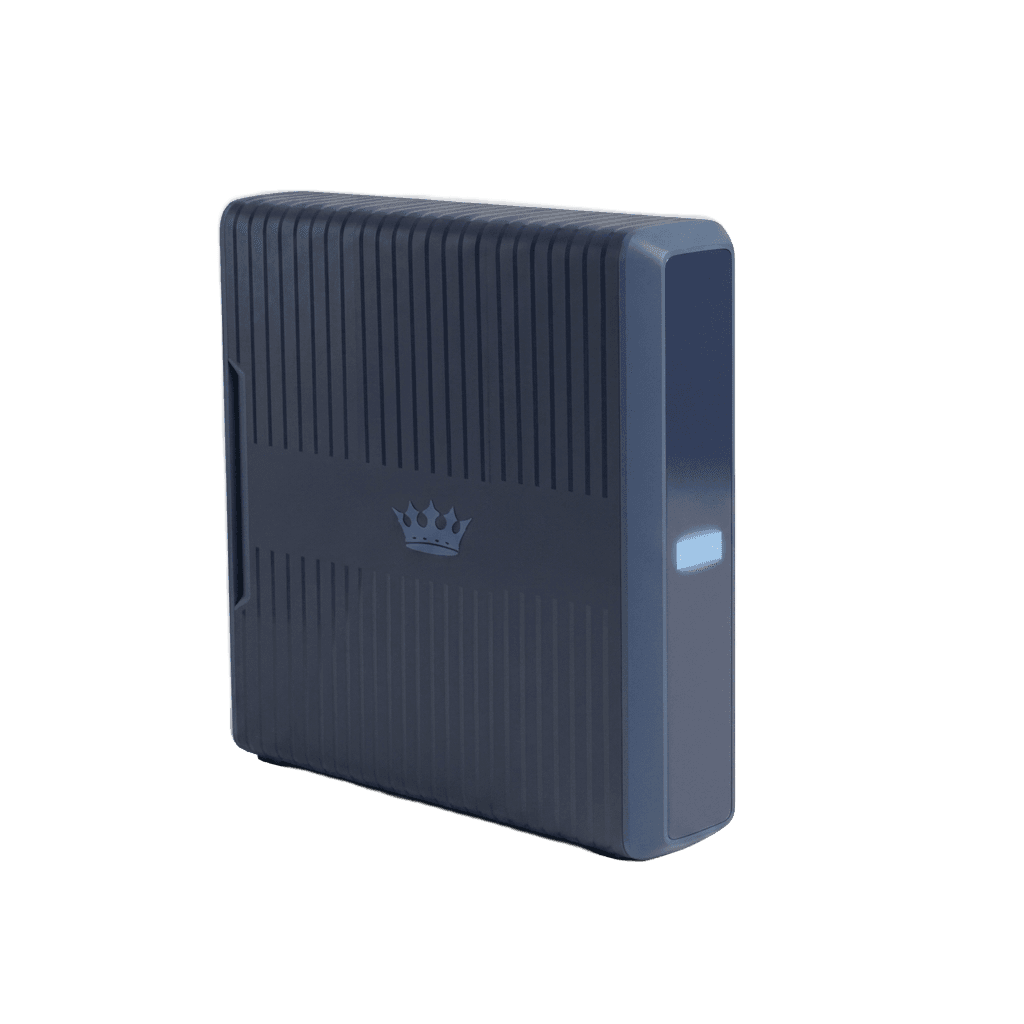
High-performance, compact undersink reverse osmosis: up to 120 litres per hour of high-quality filtered water…
View product →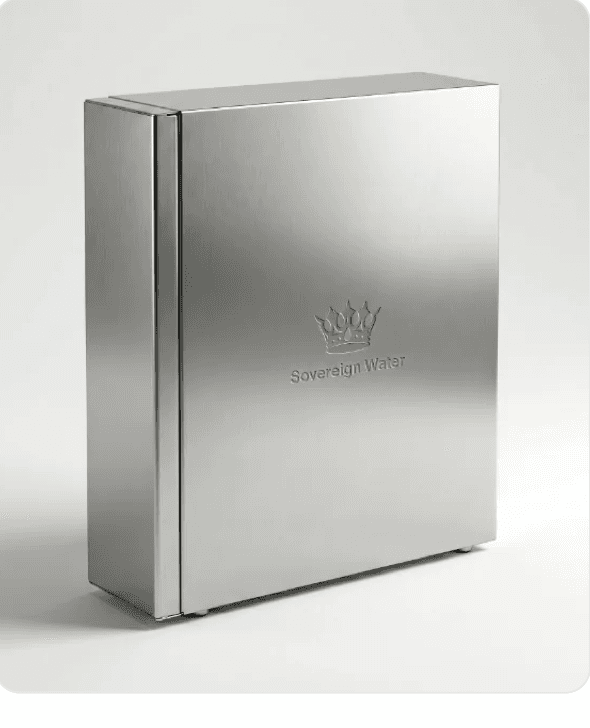
High-flow commercial reverse osmosis for high-volume food & beverage: up to 185 litres of crystal-clear purified…
View product →