
An office water dispenser is one of the most visible and most used fixtures in a modern workplace, and getting the choice right affects staff satisfaction, running costs and the reliability of your building's drinking water. This UK buyer's guide is written for facilities managers and office managers who need to choose, size and install the right water dispenser without overpaying or picking the wrong type. It covers the main options, why bottle-free is the recommendation we make most, what each type costs to run, how to match a dispenser to the size of your office, and the practical checklist to run before installation. For broader site planning, see our commercial water treatment guidance. If you would rather talk a specific site through with a specialist, you can get in touch and we will help you specify the right unit.
TL;DR
- Office water dispensers fall into three broad families: bottled, mains-fed (plumbed-in) and standalone filtered units. For most permanent UK offices we recommend a bottle-free, mains-fed dispenser.
- Bottle-free removes two problems bottled supply brings: repeated plastic-bottle handling and storage, including BPA concerns, and the environmental cost of manufacturing, delivering and disposing of them.
- In the UK we recommend at least a carbon filtration stage at the point of use, to remove chlorine and chemicals and keep taste, smell and colour clean.
- In particularly hard-water areas we recommend an inline water softener ahead of the dispenser to protect the unit from scale.
- Before installation, confirm the practicals: a water inlet, a power supply, a drain point, and the space for the unit and its servicing.
- Matching capacity to headcount matters: an undersized unit causes queues, an oversized one wastes money on a machine you never use to capacity.
- A scheduled maintenance programme with filter changes is what keeps an office dispenser performing and hygienic over its life.
In This Article
- What Is an Office Water Dispenser
- The Main Types of Office Water Dispenser
- Why We Recommend Bottle-Free
- Carbon Filtration at the Point of Use
- Inline Softening for Hard-Water Areas
- How to Choose the Right Dispenser for Your Office
- Sizing an Office Water Dispenser to Your Headcount
- Running Costs: Mains-Fed vs Bottled
- The Pre-Installation Checklist
- Installation and Maintenance
- Frequently Asked Questions
- Ready to Install an Office Water Dispenser
What Is an Office Water Dispenser
An office water dispenser is a machine that provides chilled, ambient, and sometimes hot filtered drinking water to a workplace, connected either to a bottled supply or directly to the mains. Its purpose is to give staff access to good-tasting drinking water without the cost and plastic waste of single-use bottles.
The distinction that matters most for a buyer is between machines that draw from a bottle and machines that connect to the mains. Both deliver water, but they have very different running costs, space requirements and maintenance needs. Getting that first decision right simplifies every choice that follows.
The Main Types of Office Water Dispenser
There are three families of office water dispenser, and each suits a different kind of workplace.
Bottled water coolers are the most familiar shape: a machine with an 18.9 litre bottle inverted on top, delivering chilled and sometimes hot water. They are easy to install with no plumbing and easy to relocate, which makes them a common choice for smaller or temporary offices. The ongoing cost, however, is the bottle supply, including delivery, deposits, storage and the handling that keeps the machine filled.
Mains-fed (plumbed-in) dispensers connect directly to the building's water supply and filter the water on site, delivering chilled, ambient, and often hot or sparkling water on demand. They remove the per-bottle cost entirely and replace it with a fixed cost for the equipment and its planned servicing. This makes them the standard choice for permanent offices with steady daily demand, because the total cost of ownership is lower and the supply cannot run out.
Point-of-use filtered units sit somewhere in between, typically filtering and chilling a fixed volume of water rather than drawing straight from the mains. They suit specific areas such as a meeting room or a small kitchen where a full plumbing connection is not practical.
Why We Recommend Bottle-Free
For a permanent UK office with steady daily demand, we recommend a bottle-free, mains-fed dispenser over a bottled cooler in most cases. Two concerns drive that recommendation: the repeated plastic-bottle handling and storage, including BPA concerns, and the environmental impact of manufacturing, delivering and disposing of those bottles.
BPA (bisphenol A) is a substance used in some plastic food-contact materials. The Food Standards Agency has published guidance on BPA and, more recently, consulted on proposals concerning BPA and related substances in food-contact materials. For a workplace that wants to reduce reliance on storing and rotating drinking water in reusable plastic cooler bottles, a mains-fed system is the simpler route because the water travels through fixed plumbing and food-grade filtration rather than being stored and rotated in those bottles.
The environmental case is equally strong. Every bottled contract means a recurring stream of plastic bottles being manufactured, transported on delivery rounds, and eventually disposed of or recycled, and it is a stream that never stops. A mains-fed dispenser draws from the water already piped to your building, which removes the plastic and the transport emissions almost entirely. That is a measurable, easily reported win for any workplace with sustainability or ESG commitments.
GOV.UK's single-use plastics restrictions are one clear signal of the direction of travel. Removing repeated bottled-water deliveries is a direct and easy way to cut a recurring plastic stream from your building.
The bottle-free choice therefore stacks up on more than price. It reduces reliance on plastic bottle storage and handling, cuts waste and delivery emissions, and as you will see below it is also the lower-cost option for a permanent office.
Carbon Filtration at the Point of Use
In the UK, we always recommend at least a carbon filtration stage at the point of use, regardless of the dispenser you choose. Its job is to remove the things that make mains or stored water unappealing to drink: residual chlorine and other chemicals, and any smells, odours or discolouration.
Chlorine is added to UK mains water as a disinfectant, and while it keeps the supply safe it can leave a taste and smell that people notice in the cup. A point-of-use carbon filter adsorbs the chlorine and a range of organic compounds, leaving water that is cleaner tasting and clearer. For most offices this single stage is the difference between water people will drink and water they will walk past.
The carbon stage also protects the dispenser itself and gives a consistent result on hot and cold output. Sweeping chlorine out before it reaches the unit keeps taste reliable, and it is particularly valuable if the dispenser is near coffee or tea points, where water quality changes the drink. For a fuller explanation of treatment choices, see our commercial water filter systems guide. For most UK offices, point-of-use carbon filtration is the sensible baseline and the first thing we specify.
Inline Softening for Hard-Water Areas
In particularly hard-water areas of the UK, carbon filtration alone is not enough. Where the mains supply carries high levels of calcium and magnesium, we recommend an inline water softener ahead of the dispenser, sized to your actual supply.
Hardness minerals do not just affect taste. When water is chilled or heated inside a dispenser, calcium and magnesium can form scale on internal components, reducing performance, dulling the taste and shortening the life of the unit. The harder the supply, the faster that scale builds up, which is why an inline softener is the right upgrade in hard-water regions.
An inline softener removes the calcium and magnesium before the water reaches the dispenser, protecting both the equipment and the water quality. It is a separate stage upstream of the point-of-use carbon filter, and it is specified for your actual supply rather than a generic guess. If your current dispenser scales up faster than expected, or the water tastes noticeably flat, an inline softener is often the highest-value improvement available.
For many UK offices, a BRITA mains-fed countertop dispenser is a strong, dependable option. It filters on site, delivers chilled and ambient water, and suits a small to mid-sized team.
How to Choose the Right Dispenser for Your Office
Choosing an office water dispenser starts with two questions: is the office permanent, and how many people use it daily? A permanent office with steady demand points towards a mains-fed unit for the lowest long-term cost and the cleanest sustainability story. A temporary site, a small satellite office, or a very low-volume workplace can often be served more practically by a bottled cooler.
Beyond the mains-versus-bottled decision, look at the output the unit delivers. A dispenser is judged on how much chilled water it can produce in peak periods, how quickly it recovers, and whether it also needs hot or sparkling capability. Matching output to usage prevents the most common complaints: queues at 10am and lukewarm water at lunchtime.
Also consider the space and the services nearby. A mains-fed unit needs a water supply, a power outlet and, where draining is required, a drain point, and the under-counter or freestanding footprint should fit the room without encroaching on circulation space. Finally, look at who will maintain it. Filter changes and sanitisation are not optional, so the choice of supplier should include how the unit is kept performing over its life, not just the initial price.
The most reliable way to avoid getting this wrong is to work from your actual headcount, your water and your building's constraints rather than a standard package, which is how Sovereign Water specifies every installation.
Where a spec calls for a more compact, high-spec tap rather than a freestanding dispenser, a ZIP HydroTap is a popular choice for UK offices. It delivers filtered boiling, chilled and sparkling water from a single tap.
Sizing an Office Water Dispenser to Your Headcount
Sizing an office water dispenser means matching the unit's chilled-water capacity to the number of people who will use it, so that demand during the busiest periods is met without buying more machine than you need. Under-sizing causes queues and lukewarm water; over-sizing adds unnecessary cost and footprint.
A common rule of thumb for a mains-fed dispenser in an office environment is roughly one unit per 50 to 60 staff, though the real requirement depends on how heavily your team drinks. A workforce that is heavily caffeinated or present for long hours may need more capacity, while a mostly hybrid office with fewer people on site can manage with less. Rather than guess, the reliable approach is to estimate daily litres, divide by the working hours, and check the unit's peak and recovery output against that figure.
The same logic applies when a dispenser feeds a refreshment point with coffee and tea machines, which draw on the same water supply. In those cases the pre-treatment ahead of the dispenser often needs to be sized for the combined demand, not just the drinking point.
Running Costs: Mains-Fed vs Bottled
The running cost of an office water dispenser is dominated by how it gets its water, and that is where the gap between bottled and mains-fed opens up. Mains water is one of the cheapest utilities a business buys, costing well under half a penny per litre. A mains-fed unit draws from that supply and replaces the recurring purchase of bottles with a fixed cost for equipment and planned servicing.
Bottled water, by contrast, carries a far higher per-litre cost once delivery charges, deposits, storage and the staff time spent handling and rotating bottles are included. For a permanent office the difference compounds every month, which is why a mains-fed solution almost always delivers the lower total cost of ownership over the life of the equipment.
The Consumer Council for Water says two litres of tap water cost about a third of a penny, making mains water one of the lowest-cost resources a business consumes.
The same economics make mains-fed the stronger choice on sustainability grounds. Removing repeated bottle deliveries cuts single-use plastic and the transport emissions of delivery rounds, which is an easy win for corporate responsibility reporting.
The Pre-Installation Checklist
Before a mains-fed water dispenser is installed, run through the practicals so the installation is straightforward and the unit is sited where it will stay. These are the things to confirm before installation day.
Water supply (inlet). The dispenser needs a mains water supply nearby that reaches it cleanly. Confirm where the isolation valve and feed will connect, and that there is enough room for the supply line and any pre-treatment stages between the mains and the unit.
Power. A mains-fed unit needs a power outlet within reach. Confirm the socket position and that it can be reached without extension leads trailing across the workspace, and note the electrical supply requirements for the unit you have chosen.
Drainage. Some units need a drain point for waste water, condensate or rinse water. Confirm a suitable drain is available close by, because a unit that has no sensible drain point is harder to site.
Space in the cupboard, pantry or under the counter. Measure the space where the unit will live, including the small alcoves people often use for a pantry or under-counter cupboard. Allow not just the footprint but also the clearance needed for servicing, filter changes and airflow. Confirming this early is what stops a unit from being installed somewhere it cannot be maintained.
Surroundings. Confirm the area is dry, ventilated and clear of anything that could obstruct the unit or the work needed to service it.
Water quality and hardness. Check whether you are in a hard-water area. If you are, plan for the inline softener as well as the point-of-use carbon filter, so both are accounted for in the space and supply before installation.
If you run through this list before installation, the site work is predictable and the unit ends up somewhere it can be serviced for years. We cover these points as part of our site survey so nothing is left to installation day.
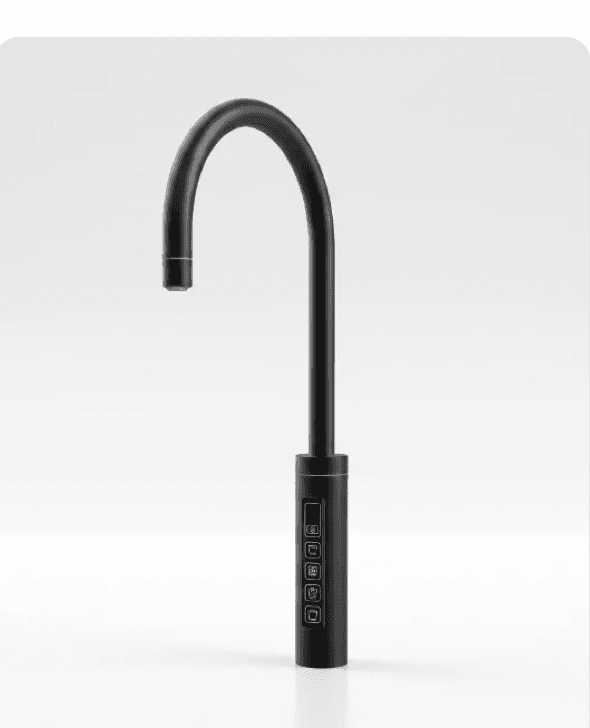
For an office that wants a crisp, modern drinking-water tap with a small footprint, the RoyalFlow BCS Smart Tap is a popular choice. It delivers filtered ambient and chilled water from a compact tap that suits a busy kitchen or pantry.
Installation and Maintenance
Installation is where an office water dispenser is set up for long-term reliability, and it should be done by qualified people. A mains-fed unit needs a clean connection to the water supply, correct siting with access for servicing, and a leak-safe installation that respects the pre-installation checklist above. Bottled units are simpler to set up but still need to be positioned and checked correctly.
Maintenance is the ongoing test of a dispenser's performance. Filters need to be changed on a schedule that matches real usage, the dispense points should be sanitised, and the unit checked so it keeps delivering clean, consistent water. A proactive maintenance programme, with monitoring that flags when a filter is due, is what keeps an office dispenser performing and hygienic rather than waiting for a problem to appear.
At Sovereign Water we back every installation with Comprehensive Maintenance, so the unit keeps delivering after it is installed, rather than leaving it to fall out of spec through missed filter changes.
Frequently Asked Questions
What type of office water dispenser is best for a small team?
For a permanent office with steady demand, a mains-fed unit delivers the lowest total cost of ownership and the cleanest sustainability story. For a very small, temporary or low-volume site, a bottled cooler is often the more practical choice because it needs no plumbing and is easy to relocate.
Why do you recommend bottle-free dispensers?
Bottle-free mains-fed systems reduce reliance on repeatedly handling and storing water in reusable plastic cooler bottles, including the BPA concerns associated with some food-contact plastics. They also avoid the environmental burden of manufacturing, delivering and disposing of repeated bottles. For a permanent office they are usually the lower-cost option.
Is carbon filtration necessary on a UK mains-fed dispenser?
We recommend it in every case. A point-of-use carbon filter removes residual chlorine and other chemicals and keeps taste, smell and colour clean, which is what makes staff actually drink the water rather than walking past it.
When does an office water dispenser need an inline softener?
In particularly hard-water areas, an inline softener protects the dispenser from scale and keeps the water tasting right. It is specified for your actual supply, not a guess, and is the right upgrade when carbon filtration alone is not enough in a hard-water region.
What do I need to check before a mains-fed dispenser is installed?
Confirm the water inlet, a reachable power supply, a suitable drain point, and the space in the cupboard, pantry or under the counter including clearance for servicing. Whether you are in a hard-water area should also be confirmed so pre-treatment is planned up front.
Do office water dispensers need servicing?
Yes. Filters need changing on a schedule that matches usage, and the dispense points should be sanitised. A planned maintenance programme is what keeps an office water dispenser performing and hygienic, and it protects the unit's life.
Ready to Install an Office Water Dispenser
Choosing the right office water dispenser is about matching the unit to your headcount, your water and your priorities around cost, hygiene and sustainability. For most permanent UK offices that means a bottle-free mains-fed unit with carbon filtration at the point of use, and an inline softener where the water is hard. Sovereign Water specifies, installs and maintains office water dispensers across the UK, sized to your actual usage and backed by planned maintenance so the unit keeps performing for years.
Sources
- Food Standards Agency: BPA in plastic
- Food Standards Agency: consultation on a ban on BPA and its analogues in food contact materials
- GOV.UK: single-use plastics bans and restrictions
- Consumer Council for Water: reasons to top up with tap water
Products mentioned in this article
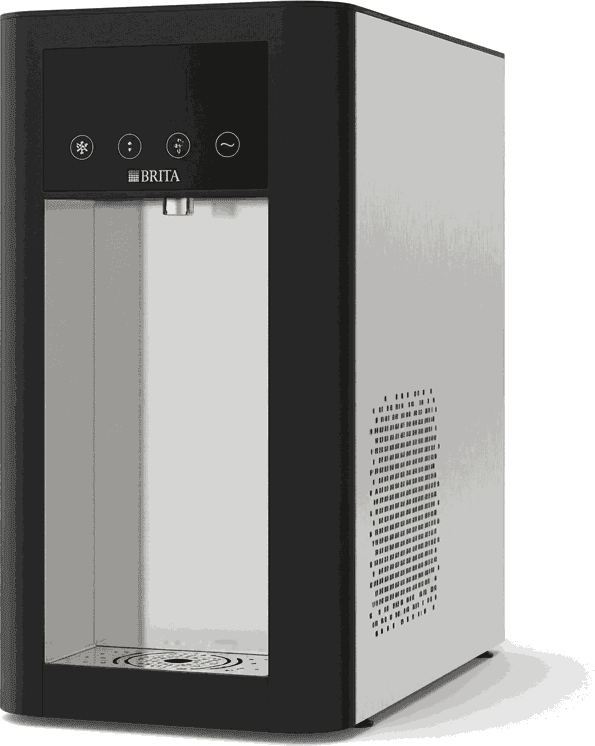
A single mains-fed dispense point for chilled still, sparkling, semi-sparkling and ambient water, engineered…
View product →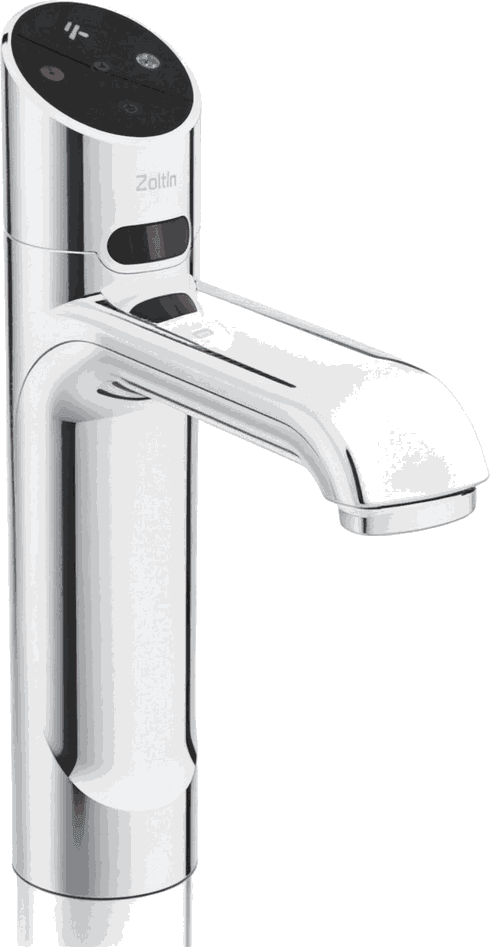
A high-performance, commercial-grade tap delivering instant boiling, chilled and sparkling water with reliability…
View product →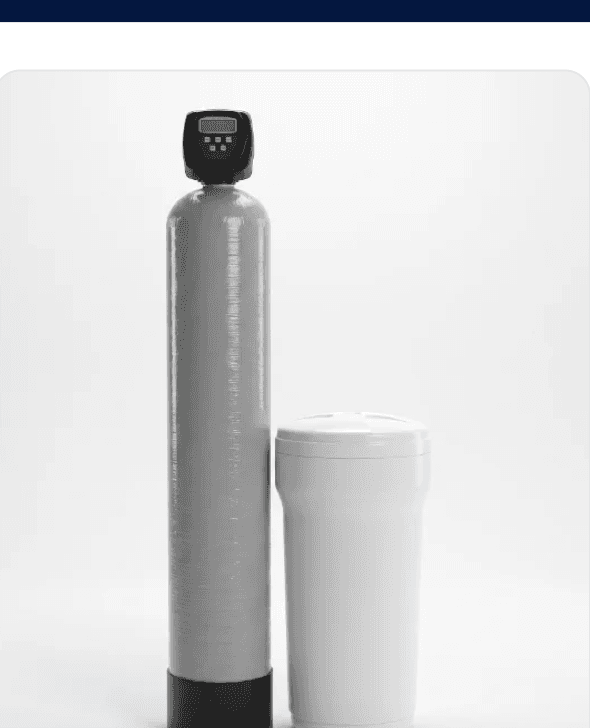
A high-capacity, professional-grade water softener for demanding residential, commercial and light-industrial use…
View product →