
Water softeners that stop scale at source.
The Regal range covers every size of site, from under-sink cabinets for homes to twin-tank systems that supply soft water around the clock. Every system is sized to your site, then installed and serviced by our team in the UK.
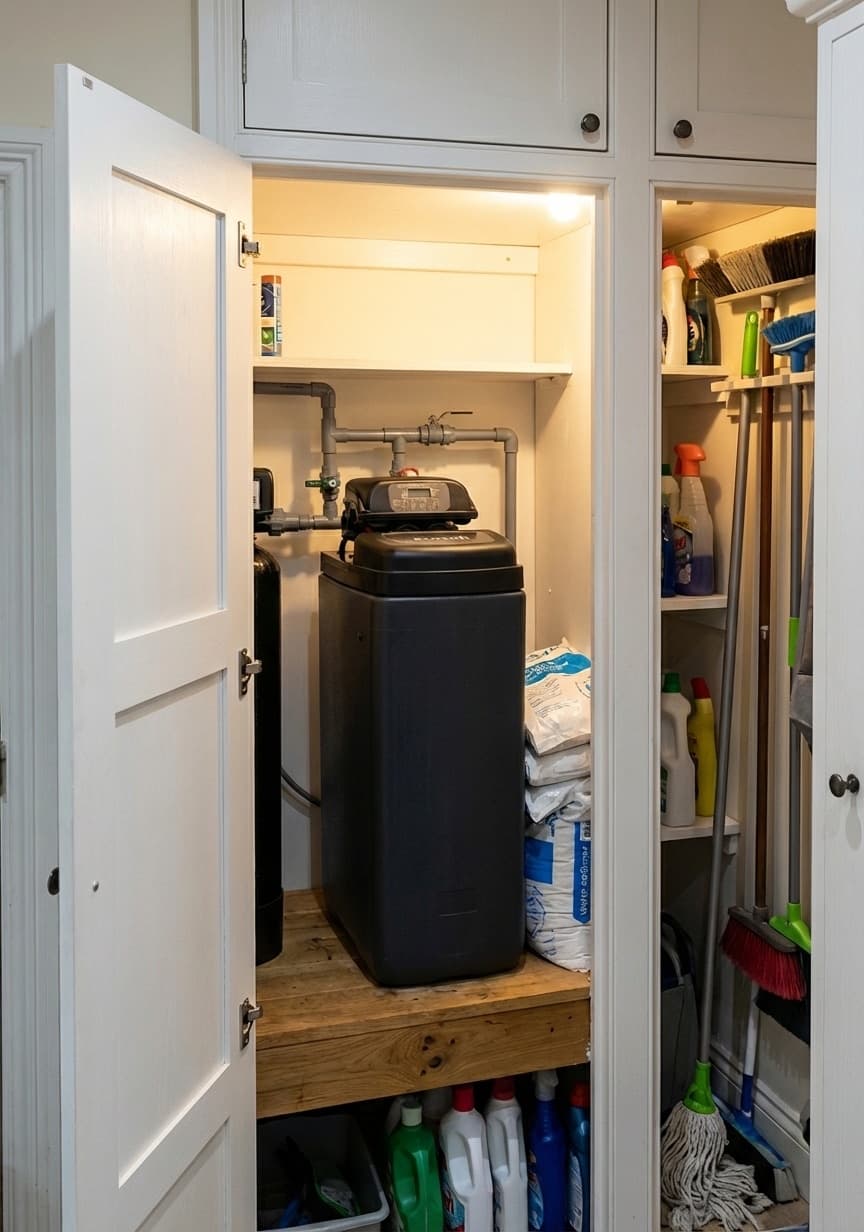
Homes, commercial and industrial.
Choose by the size of the site. We confirm the exact model once we know your hardness and peak flow.
Homes & light commercial
All-in-one cabinets on the US-made Clack DV valve, small enough to sit under a kitchen sink. The 100 and 150 suit small to medium homes; the 200 suits large homes and light commercial sites.
- 1.0 to 1.8 m3/h of soft water
- 1.8 to 5 m3 between regenerations
- Salt and water used only as needed
- Runs on 30 W
Commercial & light industrial
A floor-standing softener with a separate pressure tank and brine tank, for heavy commercial and light industrial demand.
- 6.12 m3/h of soft water
- 10 × 54" pressure tank
- 125 L brine tank with overflow protection
- Regeneration by metered volume, not a clock
Industrial
Floor-standing and twin-tank systems for industrial sites and plants that need soft water around the clock.
- 3.5 to 18.2 m3/h of soft water
- 15 m3 between regenerations on the 750
- Twin alternating duty: soft water 24/7
- Up to 6 units on one controller
Six softeners, one for every site.
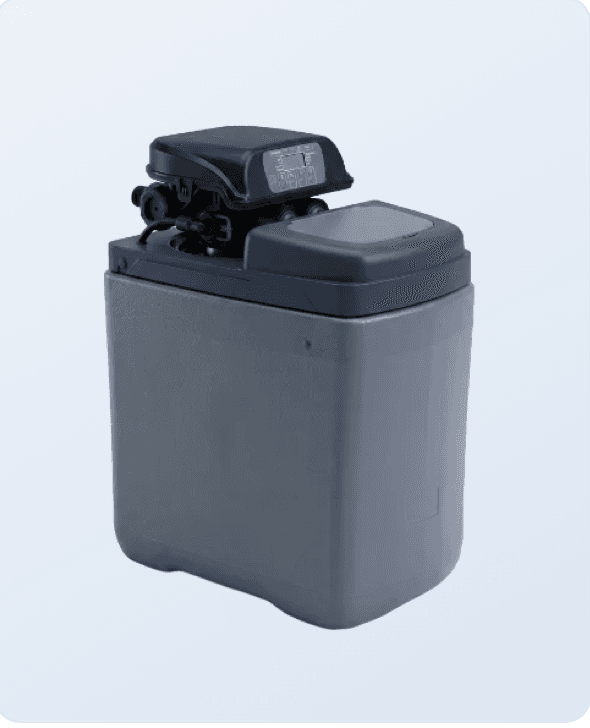
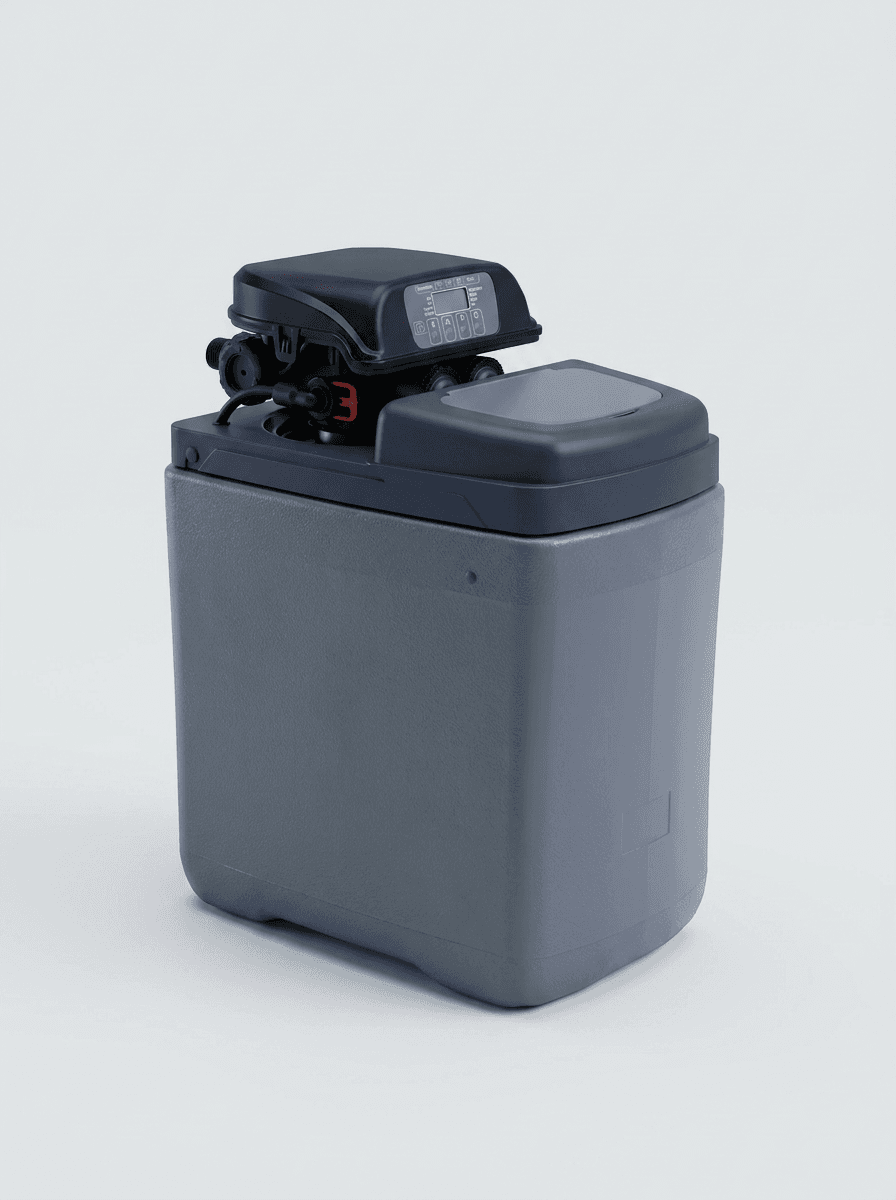
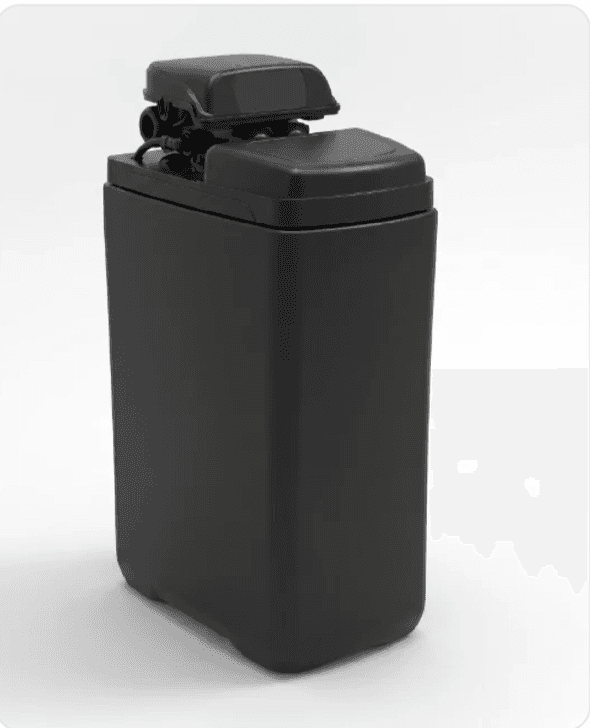
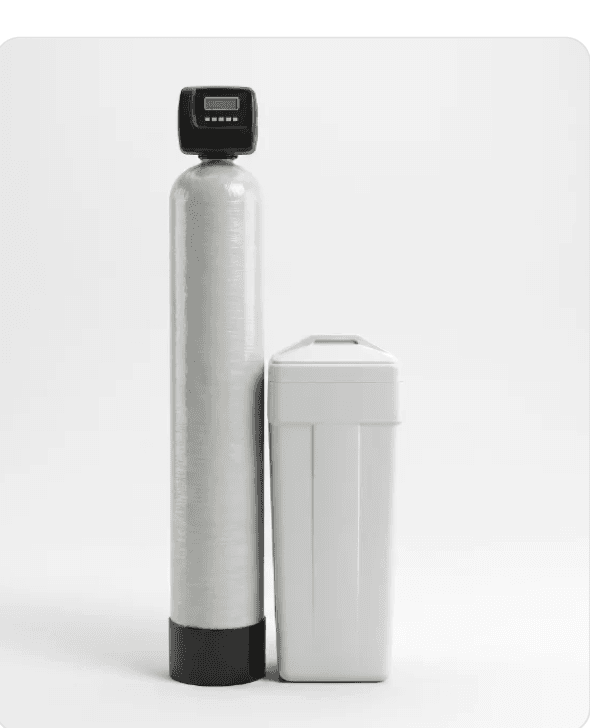
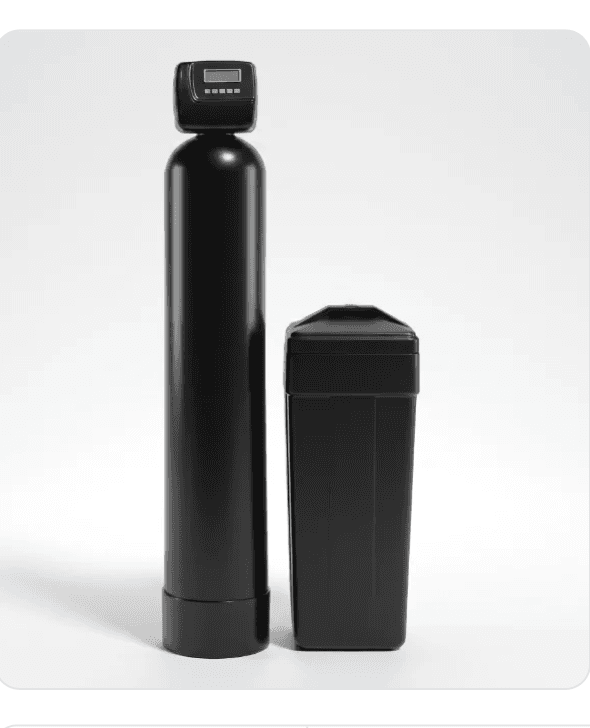
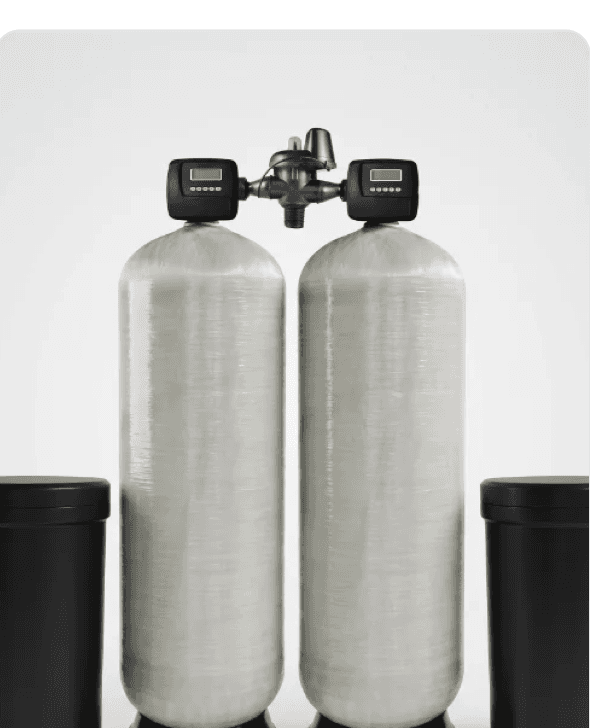
Every Regal, side by side.
Figures from the manufacturer datasheets. Open any model for the full specification and datasheet download.
| Model | Type | Soft-water flow | Capacity | Size | Best for |
|---|---|---|---|---|---|
| Regal 100 | Under-sink cabinet | 1.0 to 1.2 m3/h | 1.8 m3 | 270 × 430 × 469 mm | Small to medium homes |
| Regal 150 | Under-sink cabinet | 1.5 m3/h | 3 m3 | 270 × 430 × 540 mm | Small to medium homes |
| Regal 200 | Under-sink cabinet | 1.6 to 1.8 m3/h | 5 m3 | 270 × 430 × 741 mm | Large homes, light commercial |
| Regal 500 | Floor-standing, separate brine tank | 6.12 m3/h | Metered by volume | 10 × 54" tank, 125 L brine | Heavy commercial, light industrial |
| Regal 750 | Floor-standing, separate brine tank | 3.5 m3/h (4.3 peak) | 15 m3 | 1585 × 900 × 450 mm | Industrial |
| Regal Twin 3672 | Twin alternating | 18.2 m3/h | Continuous | 2 × 36 × 72" vessels | Industrial, 24/7 supply |
From hard water in to soft water out.
A softener swaps the calcium and magnesium that cause scale for sodium, using beads of ion-exchange resin. Here is a metered softener in service, part by part.
- 1Bypass valve
Isolates the softener for servicing while keeping water flowing to the building.
- 2Control valve
Routes water through each stage and runs regeneration automatically.
- 3Water meter
Counts every litre of soft water, so regeneration happens only when the resin is nearly spent.
- 4Mineral tank
The pressure vessel. Headroom above the resin lets the bed lift and clean itself on backwash.
- 5Ion-exchange resin
Beads charged with sodium. Calcium and magnesium stick to them and sodium is released.
- 6Riser tube & distributor
Soft water is collected at the base of the tank and rises up the centre tube to the outlet.
- 7Salt & brine
Salt dissolves in the water at the base of the tank to make the brine used to recharge the resin.
- 8Brine well & safety float
Draws brine out and meters the refill. The float stops the tank from overfilling.
- 9Drain with air gap
Carries rinse water away. The air gap stops drain water from ever siphoning back.
- 10Drinking tap
Teed off before the softener, so one kitchen tap stays on unsoftened water.
How the resin recharges itself.
When the meter shows the resin is nearly spent, the valve runs a regeneration, straight away or at a set time such as overnight. Twin systems switch to the second tank, so soft water never stops.
- In service
Service
Hard water flows down through the resin and leaves as soft water. The meter counts each litre used.
- Stage 1
Backwash
Water runs up through the tank, lifting and loosening the bed and flushing trapped sediment to drain.
- Stage 2
Brine draw & slow rinse
Brine is drawn from the salt tank through the resin. It strips off the calcium and magnesium and recharges the beads with sodium.
- Stage 3
Fast rinse
A fast flow of water resettles the bed and rinses the last of the brine and hardness to drain.
- Stage 4
Brine refill
A measured volume of water refills the salt tank, making fresh brine for the next regeneration.
Exact stages depend on the valve. Some run a second backwash, and up-flow models such as the Regal 100 and 200 pass brine up through the resin to use less salt.
What changes once scale stops.
Protects equipment
- Less scale in boilers, heaters and pipes
- Protects dishwashers, glasswashers and coffee machines
- Kettles, taps and showers stay clean
- Heating elements stay clear of scale
Everyday difference
- Soap and detergent lather more easily
- Fewer spots on glasses and cutlery
- No white crust on taps and screens
- Less time spent descaling
Built to run
- Metered regeneration saves salt and water
- Proven Clack and CE control valves
- Low-power control valves
- Serviced by our own engineers
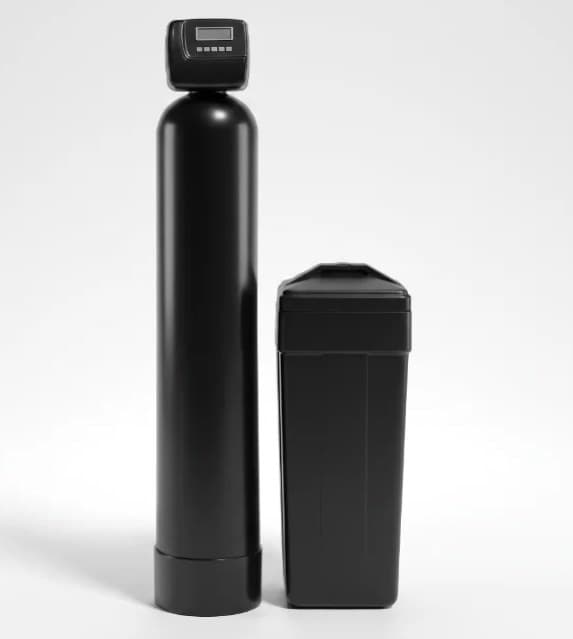
One range, sized to your site.
Regal softeners share metered regeneration and proven control valves, so a family home and an industrial plant get the same engineering, just at a different scale.
- Sized to your hardness and flow, not a guess
- Pairs with CrownGuard filtration for softened and filtered water
- Unsoftened drinking tap plumbed in as standard practice
- Pair with a maintenance plan from a fixed annual fee
Water softeners, straight answers.
Q1What does a water softener actually do?
Q2Which Regal softener do I need?
Q3Can I drink softened water?
Q4How often do I add salt?
Q5Is a softener the same as a water filter?
Q6Do you install and service it?
Not sure which Regal fits?
Tell us about your site and we'll recommend the right softener, then install and service it across the UK.