
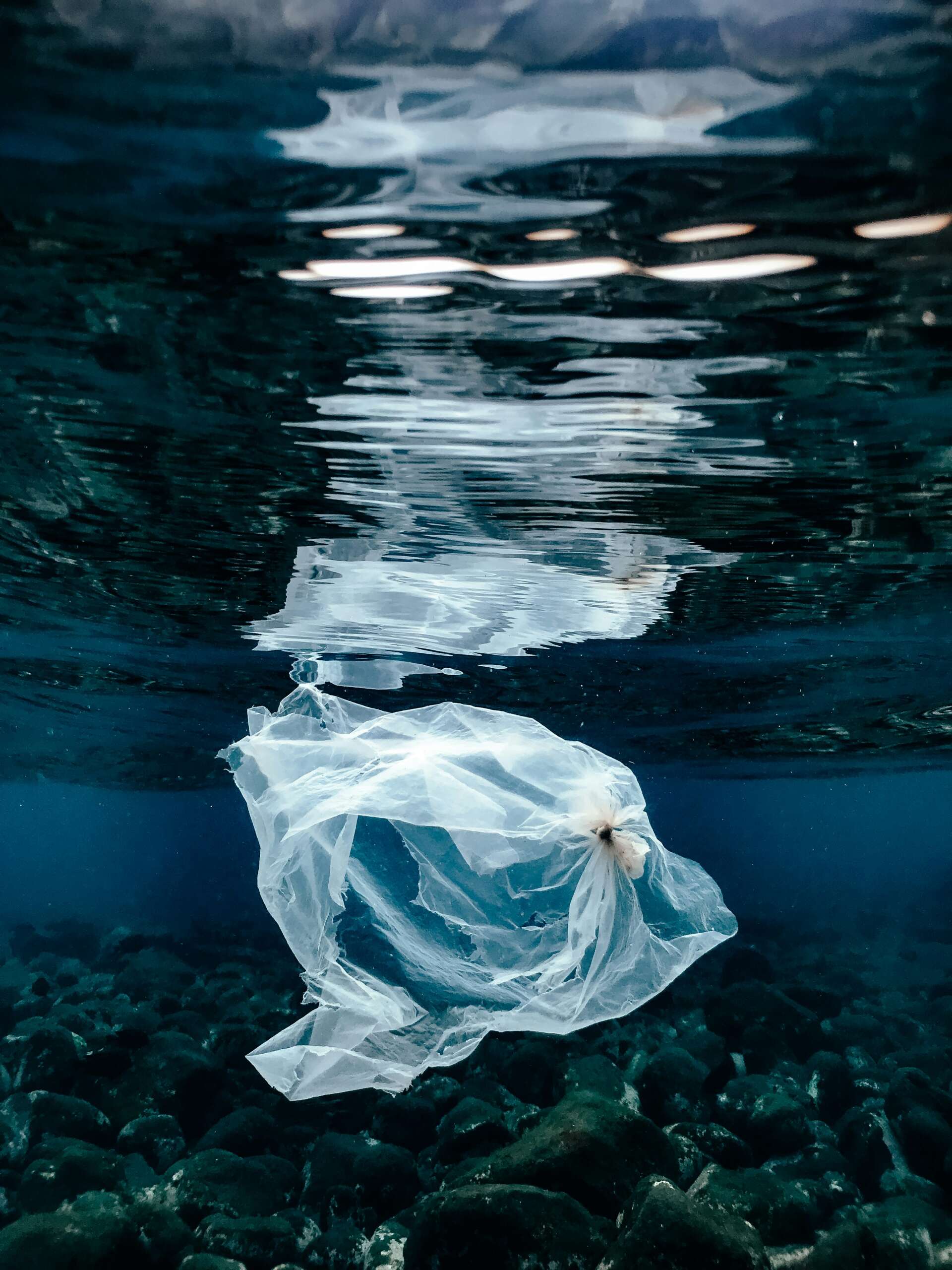
Microplastics, tiny plastic particles less than 5 millimetres in size, have become a growing concern in our water supply. These particles are the result of larger plastics breaking down over time or are intentionally added to products, and they can now be found in water sources all over the world, including drinking water.
Microplastics are an environmental problem, and many people also want to know what they mean for their drinking water. The World Health Organization's 2019 review found that, based on the limited information available, microplastics in drinking water do not appear to pose a health risk at current levels. It also called for more research. For businesses and households that want an extra margin of assurance, the right filtration can reduce particles further.
Where Do Microplastics Come From?
Microplastics can enter water sources in several ways:
- Breaking down of larger plastics: Plastic bottles, bags, and containers degrade over time, shedding microplastic particles into the water.
- Synthetic textiles: Washing synthetic fabrics like polyester releases microplastics into wastewater.
- Personal care products: Microbeads in rinse-off cosmetics were a known source. Since 2018, making or selling rinse-off personal care products that contain microbeads has been banned in England.
Because they are so widespread, many people want to cut the number of particles in the water they drink. So how can you reduce them?
The Best Way to Remove Microplastics from Water
The WHO notes that wastewater treatment removes more than 90% of microplastics, and that conventional drinking water treatment can remove particles smaller than a micrometre. At the point of use, these technologies can reduce them further:
- Reverse Osmosis (RO) Systems
Reverse osmosis is one of the most effective methods for removing microplastics from water. RO systems work by forcing water through a semi-permeable membrane with extremely fine pores. The membrane holds back particles, including microplastics, along with most dissolved salts and other impurities. Sovereign Water’s Reverse Osmosis Systems provide a very fine level of filtration for clean drinking water. - Carbon Filters
Activated carbon filters are good at reducing chlorine, odours, and some organic compounds. Carbon block filters also physically trap fine particles. They work well alongside other filtration stages. - Ultrafiltration Systems
Ultrafiltration (UF) systems use a membrane with tiny pores that physically block contaminants, including microplastics, from passing through. This method provides another layer of protection, particularly for commercial applications where high water volumes need to be treated. - Pre-Filters
Installing pre-filters can capture larger particles, including microplastics, before water moves through finer filtration systems. These filters act as the first line of defence and can extend the life of more advanced filtration systems like reverse osmosis or ultrafiltration.
Why Choose Sovereign Water for Your Filtration Needs?
At Sovereign Water, we offer a range of advanced water filtration systems designed to tackle even the toughest water contaminants, including microplastics. Whether you’re looking for a reverse osmosis system for your home or a larger-scale solution for your business, we have the expertise to provide the right system for your needs.
We understand the growing concern about microplastics and are committed to delivering effective, customisable, and sustainable solutions to help you enjoy clean, safe water every day. Reach out to us at sales@sovereignwater.co.uk to learn more about how our systems can reduce microplastics and other contaminants in your water.
Sources
- World Health Organization: WHO calls for more research into microplastics (2019)
- NOAA: What are microplastics?
- Environmental Protection (Microbeads) (England) Regulations 2017