
Choosing a water treatment company in London starts with understanding what your water is really doing to your building, because the capital sits on some of the hardest mains water in the country and the consequences show up in every boiler, coffee machine and piece of catering equipment you run. This guide is a buyer's guide to commercial water treatment in London: what the water is like, the systems that protect your equipment, the compliance duties that apply to your site, and how to tell a partner who will actually look after you from a supplier who will sell you a box and disappear.
If you would rather have a specialist look at your specific site than read a general guide, you can get in touch at any time.
TL;DR
- London's mains water is hard: Thames Water says all the water in its region is hard, which means over 200 mg/L as calcium carbonate, and some areas are very hard at over 300 mg/L.
- Hard water is not a health risk, but it is an equipment and cost risk, shortening the life of boilers, coffee machines, steamers and dishwashers while driving up energy bills.
- The right treatment varies by application: softeners protect whole buildings and hot water plant; point-of-use filtration or reverse osmosis suits beverage and catering equipment.
- Commercial sites in London also carry legal duties, including legionella control under the Health and Safety Executive's Approved Code of Practice L8.
- Choosing a supplier is about more than the box: installation quality, servicing, compliance support and total cost of ownership matter more than the headline spec.
- Sovereign Water designs, installs and maintains fit-for-purpose treatment across London, with proactive maintenance to keep systems online.
Why London Businesses Need to Think About Water Treatment
London's geology sets the challenge. Thames Water sources about 65% of its water from local rivers and 35% from underground reserves, and that water passes through chalk and limestone, picking up calcium and magnesium carbonates along the way. That is why Thames Water describes all the water in its region as hard: over 200 mg/L calcium carbonate, and in some areas over 300 mg/L, which it classes as very hard.
For a business the effect is financial before it is anything else. Every litre of hard water carries dissolved mineral, and when that water is heated the minerals drop out as scale. That process runs all day in a commercial kitchen, a plant room, an office pantry or a coffee shop. Scale coats heating elements so equipment works harder, uses more energy and fails early. For coffee operators the problem is doubled, because hardness also flattens flavour and blocks the fine waterways inside the machine, which is why the Specialty Coffee Association (SCA) publishes water recommendations.
What a Water Treatment Company in London Should Actually Do
The phrase "water treatment company London" covers a lot of ground, from firms that sell a single softener to specialists who engineer complete systems around a site's water. The difference matters. The job is not to sell you the biggest box; it is to match the right technology to what the water is for, and to keep that system performing over years, not months.
There are four things worth testing any supplier on:
They specify for your site. A specification built around your supply and usage is the difference between a system sized to your site and a generic one. If a supplier quotes without understanding your site, treat that as a warning sign.
They match the technology to the application. Softening, filtration and reverse osmosis solve different problems. A credible partner will explain which you need and why, rather than pushing a single product.
They quote total cost of ownership, not just the box. Consumables, maintenance, downtime and energy all factor into what a system really costs. The cheapest installation is rarely the cheapest over five years.
They take responsibility after installation. Servicing, cartridge changes, compliance support and a rapid response if something fails are where the value of a good supplier is actually delivered.
The Treatment Technologies That Match London's Water
The right treatment depends on what the water is for, and matching the technology to the application is the difference between money well spent and an oversized system.
Water softeners exchange calcium and magnesium for sodium and protect an entire building's hot water and heating plant. For commercial sites with significant hot water demand, softening is usually the foundation.
Scale-inhibiting filtration treats water at the point of use and is the standard approach for espresso machines, bean-to-cup machines and water dispensers, conditioning the water while keeping the mineral character that beverages need.
Reverse osmosis (RO) removes the vast majority of dissolved solids and suits applications with tight water specifications, such as combination ovens, steamers and speciality coffee, usually with controlled remineralisation or blending.
Chemical-free UV disinfection can sit alongside these technologies where pathogen control matters, neutralising without adding chemicals.
Because hardness varies street by street across London, specification matters. A site survey is the reliable way to size the right combination, and it is a step every credible supplier should insist on.
Compliance Duties for Commercial Water in London
Commercial water systems in London also carry legal duties that are easy to overlook in a buying decision. Under the Health and Safety Executive's Approved Code of Practice L8, duty holders with a water system that could create aerosols must carry out and regularly review a legionella risk assessment, and must control the risk so far as reasonably practicable. Treatment equipment, dead legs in pipework and poorly maintained systems can all be part of these considerations.
Similarly, any product installed into a UK water supply should be acceptable under the Water Regulations, and food and beverage sites answer to Food Standards Agency expectations for water used in food production. Certification references should be current and specific to the product. A supplier who works across commercial sites should be able to speak to these duties, and their maintenance programme should support your compliance record rather than complicate it.
Total Cost of Ownership: What Really Drives the Bill
No responsible guide will put a fixed price on water treatment, because the correct system depends on your water, your building and your usage. What is worth understanding is where the money actually goes, because that is the basis of a fair comparison between suppliers.
The purchase price is only the start. Consumables, filter cartridges and salt for softeners, account for a recurring cost that depends on water volume and hardness. Energy is a hidden one: scale makes equipment work harder, so a well-maintained, correctly specified system protects you from rising bills. Downtime and repairs are the biggest risk of all, because a failed coffee machine or boiler in the middle of service costs far more than the repair itself. Finally, maintenance keeps the protection from lapses, which is what makes a servicing agreement genuine value rather than an add-on.
When you compare quotes, compare the full picture: specification, consumables, servicing, response time and the life you can expect from the equipment you are protecting. That is the honest way to judge value.
How to Choose: Installing and Maintaining in London
The installation is where most systems succeed or fail. Piping, siting, water pressure, access and the interaction with your existing plant all need a professional hand, and electrical and plumbing work should be carried out by qualified people. A supplier who is only comfortable through the sales conversation and the first visit is not set up to be your long-term partner.
Maintenance is the ongoing test of a supplier's responsiveness. Cartridges are typically changed every six to twelve months depending on water volume and hardness, and softeners need salt and periodic checks. A proactive maintenance programme, ideally with monitoring that flags problems before they become failures, is what keeps a system "always operational". For London businesses running equipment all day, that responsiveness is the difference between a minor check and a costly outage.
Frequently Asked Questions
Is London tap water safe to drink?
Yes. Hardness has no adverse health effect, which is why the UK drinking water quality regulations set no standard for it. Safety and suitability are separate questions: water that is perfectly fine to drink can still be wrong for an espresso machine, a steam oven or a heating circuit.
Is a water softener or a filter right for my business?
It depends on the application. Softeners protect whole buildings and hot water plant, while point-of-use filtration or reverse osmosis suits coffee machines, ovens and dispensers. A site survey is the reliable way to specify the right combination.
What is a legionella risk assessment and do I need one?
Under HSE's Approved Code of Practice L8, duty holders whose water systems can create aerosols must carry out and review a legionella risk assessment and control the risk. A treatment and maintenance provider that understands commercial compliance can support you through this.
How often does treatment equipment need servicing?
Filter cartridges are typically changed every 6 to 12 months depending on water volume and hardness, and softeners need salt top-ups and checks. Proactive maintenance programmes schedule this so protection never lapses.
Do I need to worry about water hardness affecting coffee machines in London?
Yes. London's hard water can scale the heating elements and block the fine internal waterways of espresso and bean-to-cup machines, and it also affects flavour. Point-of-use filtration conditions the water for beverage equipment, which is standard practice for commercial coffee operators.
Ready to Choose a Water Treatment Partner in London?
Sovereign Water designs, installs and maintains fit-for-purpose water treatment across London, from single coffee machines to full commercial plant rooms, all backed by proactive maintenance so your systems stay online. We specify the right treatment for your supply, and carry the long-term responsibility for keeping it working.
Sources
- Thames Water, Hard water (65% river / 35% underground sources; all water in the region is hard; hardness bands)
- Drinking Water Inspectorate, Water hardness / hard water (no UK standard for hardness)
- Health and Safety Executive, Approved Code of Practice L8
Products mentioned in this article
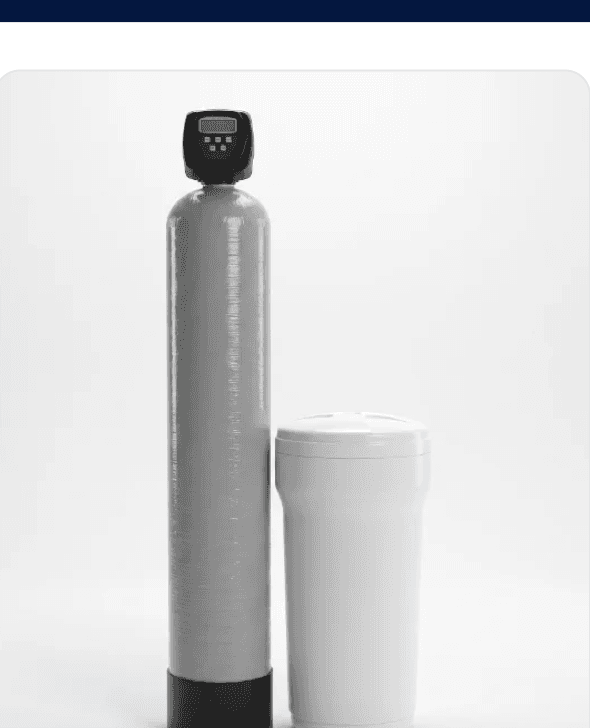
A high-capacity, professional-grade water softener for demanding residential, commercial and light-industrial use…
View product →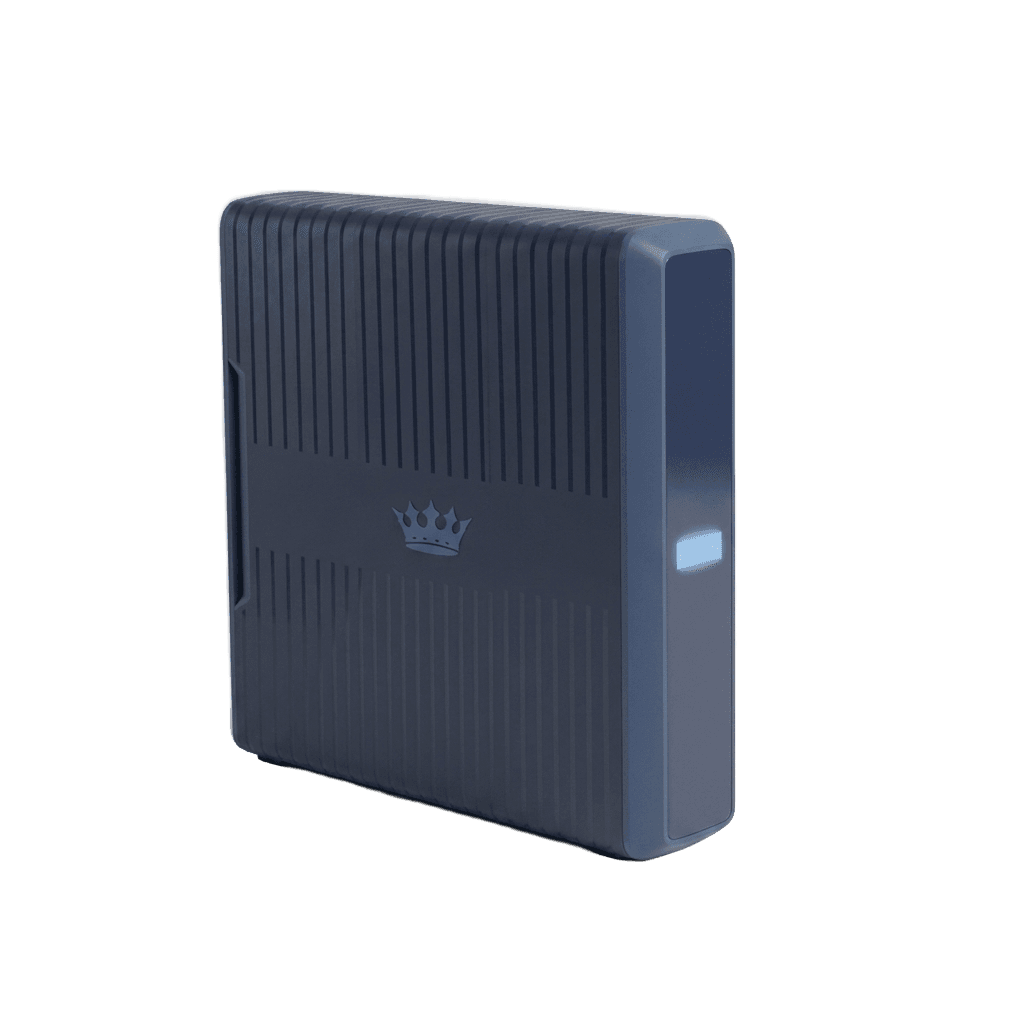
High-performance, compact undersink reverse osmosis: up to 120 litres per hour of high-quality filtered water…
View product →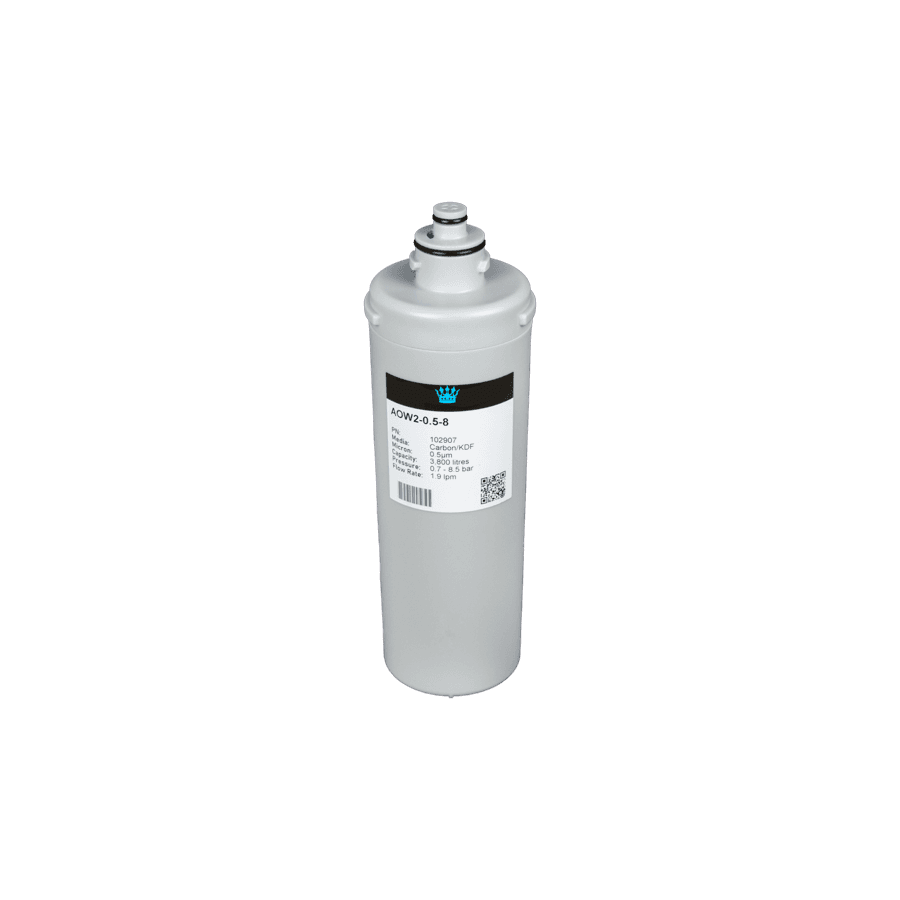
Everpure-compatible filtration for UK commercial kitchens, cafés and industrial sites — without the Everpure price tag.
View product →