
Commercial water softeners should be specified from measured demand, water quality and operating conditions, not headline flow alone. This UK guide is for facilities, hospitality, foodservice, laundry and healthcare-estate buyers; it does not replace a site survey, water analysis or final design. The 1999 Water Fittings Regulations cited below apply in England and Wales, with separate regimes in Scotland and Northern Ireland.
TL;DR
- Size from measured hardness, daily volume, simultaneous flow, pressure loss and the available regeneration window.
- Use alternating twin or duplex duty only where softened water must remain available during regeneration.
- Retain an unsoftened drinking and cooking outlet because ion exchange adds sodium.
- Confirm installation, approval, commissioning and maintenance requirements before purchase.
Contents
- What a water softener changes, and what it does not
- Who is likely to need one
- The specification inputs that matter
- Worked sizing logic
- Single vessel or alternating twin/duplex
- Installation and Water Fittings compliance
- Drinking-water branch and sodium
- Product examples
- Commissioning and handover
- Maintenance and operation
- Procurement checklist
- Comparison table
- Frequently asked questions
- Sources
What a water softener changes, and what it does not
Water hardness comes from dissolved calcium and magnesium. Measure it as mg/l CaCO3 at the relevant inlet because local variation makes maps only a starting point.
A conventional ion-exchange softener passes water through resin, exchanging calcium and magnesium for sodium. The valve regenerates the resin with brine and sends the discharge to drain, reducing the hardness available to form limescale.
Softening is not general purification. It does not prove microbiological safety or correct sediment, discolouration, taste, odour or corrosion. A scale conditioner that does not remove hardness does not produce softened water. Our TDS and PPM guide explains the difference.
Define the objective, such as protecting calorifiers or warewashers. Treating the relevant branch may be more appropriate than whole-building treatment. See the commercial treatment overview for alternative treatment routes.
Who is likely to need one
Consider softening where measured hardness threatens heated or scale-sensitive equipment. Typical sites include hotels, catering kitchens, laundries, defined healthcare applications and offices with central hot water. Review service records, appliance limits and operating hours rather than specifying from visible scale alone.
The specification inputs that matter
A credible enquiry should cover:
Incoming water quality. Record total hardness in mg/l as CaCO3, test date, sampling point and required outlet or blending target. Request further analysis if unusual constituents may affect pretreatment or media choice.
Volume and flow. Use meter data to establish typical and maximum 24-hour volume, allowing for seasonal variation. List simultaneous users, the highest short-duration flow and any sustained demand. Adequate capacity does not prevent excessive restriction at peak flow.
Pressure. Measure static and dynamic inlet pressure near the connection. Give minimum pressure during demand and the maximum the assembly may encounter. Compare pressure-loss data at the actual design flow, not the connection size.
Operating pattern and continuity. State service hours, regeneration periods, whether hard-water bypass is permitted and the consequence of losing softened water.
Site conditions and interfaces. Provide pipe size, footprint, drainage capacity, electrical supply, floor loading, salt route and service access. Identify drinking outlets, boosted sets, cisterns, backflow protection, alarms, heaters and equipment warranties.
The design record should show measured hardness, daily volume, peak and continuous flow, pressure loss, regeneration window and required continuity.
Worked sizing logic
This example explains the logic, not a final design or product recommendation.
Assume a site uses 12 m3 of softened water on a busy day at 280 mg/l CaCO3 hardness:
12 m3/day × 280 g/m3 = 3,360 g CaCO3/day
Divide the supplier's validated usable capacity at the chosen salt dose by 3,360 g/day to estimate theoretical days between regenerations. Then apply the documented reserve and controller settings. Tank or resin volume alone does not establish capacity.
Now test the hydraulic duty. If the short peak is 3.2 m3/h and 2.0 m3/h may continue for several hours, the system must pass both within acceptable pressure loss and equipment limits. A maximum flow that creates too much pressure drop at minimum dynamic pressure is unsuitable.
Then test timing: when will regeneration start, how long will it take, what water remains available and can the site tolerate the cycle? If it would occur during service, an alternating arrangement may suit the continuity requirement better than a larger single unit.
Confirm that volume, hardness and peak flow were measured at the relevant inlet. Allow for demand changes and any residual-hardness target. The supplier must confirm the selection.
Single vessel or alternating twin/duplex
A single-vessel softener suits bounded demand with a reliable regeneration period. That vessel cannot normally provide softened water while regenerating, so the site may receive interrupted flow or hard water through a bypass. Agree this behaviour before selection.
An alternating twin or duplex system keeps one vessel in service while the other regenerates or stands by. It supports continuity but adds equipment, footprint and maintenance. The Regal Twin 3672 is a current 24/7 commercial example, published at 18.2 m3/h service flow at a 1 bar drop; final selection remains site-specific.
Define how vessels alternate, whether both operate at peak, behaviour after power loss and whether either can be isolated. Twin/duplex is a continuity option, not an automatic upgrade.
Installation and Water Fittings compliance
In England and Wales, Regulation 4 of the Water Supply (Water Fittings) Regulations 1999 requires water fittings to be of appropriate quality and standard, suitable for their circumstances, compliant with applicable Schedule 2 requirements and installed in a workmanlike manner. Product approval does not replace compliant design and installation.
WRAS approval is one recognised route to evidence product compliance; it is not itself the law. Confirm the exact model, listing scope, expiry and provisos, then assess the complete installation separately. In England and Wales, Regulation 5 covers treatment units that discharge wastewater or use water for regeneration. Notify the water undertaker before work starts. Work must not begin without consent, although consent is deemed granted if the undertaker gives no notice within ten working days. The approved-contractor exemption does not cover this category.
The installation specification should cover:
- accessible isolation valves, controlled bypass and sampling points before and after treatment;
- pressure control where required;
- a trapped foul-drain connection with the required visible air break, sized for peak regeneration flow, plus a safe brine-overflow route;
- backflow protection appropriate to the assessed fluid category and arrangement;
- electrical isolation, safe cable routing and protection from frost, heat, impact and flooding;
- clearance for valve removal, servicing and safe salt replenishment;
- pipe identification, valve labels and an updated schematic.
WRAS directory entries commonly require a type AA, AB or AD air gap under EN 1717. Verify the selected model's conditions. Confirm with the sewerage undertaker whether regenerant is trade effluent and obtain any required consent. Never discharge it to a surface-water drain.
Drinking-water branch and sodium
The DWI advises retaining an unsoftened kitchen-tap supply for drinking and cooking. Ion exchange adds sodium; in England, sodium must not exceed 200 mg Na/L at consumers' taps.
Map drinking, beverage, cooking and specialist outlets, including vending machines and tenant fit-outs. Mark the unsoftened branch on the schematic and verify it at commissioning. Clinical uses need separate assessment.
Some designs use blending for residual hardness, but this does not remove the need to address DWI's advice. If softened water is proposed for consumption, calculate sodium from measured incoming sodium and hardness removal, assess plumbing compatibility and verify wholesomeness at commissioning.
Product examples
These configurations show why selection needs site data. They are not a ranking.
Regal 250
The Regal 250 is a compact small-commercial option, published at up to 3 m3/h with up-flow proportional regeneration, about 100 litres per regeneration and a 130 kg salt store. Check capacity, pressure loss and timing against demand.
Regal 500
The Regal 500 uses a 10 x 54 inch tank and 125 litre brine tank. Published service flow is 6.12 m3/h at a 1 bar drop, within 2 to 6 bar. Confirm media and usable capacity for the water analysis.
Regal 750
The Regal 750 has 75 litres of resin and a 125 litre brine tank. Published duty is 3.5 m3/h operating, 4.3 m3/h peak and 15 m3 volume capacity. Check that volume against measured hardness and settings.
Commercial Softener RF1465SO1
The RF1465SO1 uses a 14 x 65 inch tank, CE 1 inch valve and 146 litre brine tank, with delayed, immediate or volume-based regeneration. Confirm capacity against the selected media, inlet analysis and salt setting.
Commissioning and handover
Verify bypass, hardness, dynamic pressure, leaks, drain flow, brine operation, metering, regeneration and the drinking-water branch. Record controller settings and alarms, and witness regeneration where practicable. Handover should include the design basis, results, approval evidence, schematic, manuals and service schedule, plus operator training.
Maintenance and operation
Follow the manufacturer's cleaning, salt and service instructions. Check salt, brine-tank condition, leaks, bridging and outlet hardness; trend water use and regeneration frequency. Planned service should inspect the valve, meter, brine assembly, drain path, settings and resin, with the supplier's return-to-service procedure after shutdown. The maintenance service can support scheduled work and records.
Procurement checklist
Require written confirmation of:
- inlet hardness test and required outlet or blended hardness;
- typical and maximum daily volume, plus peak and continuous flow;
- minimum dynamic and maximum inlet pressure;
- pressure loss at design flow;
- usable exchange capacity and calculation basis;
- regeneration frequency, duration, water and salt use, and service available during the cycle;
- single or alternating operating philosophy;
- vessel, valve, resin/media and brine-tank specification;
- footprint, height, loaded weight and service clearance;
- bypass, isolation, sampling, drainage, overflow and power requirements;
- unsoftened drinking and cooking branch;
- Regulation 4 evidence and exact approval provisos;
- installation scope, notification duties and commissioning tests;
- training, documents, consumables and planned maintenance.
Comparison table
| Option | Best suited to | Published duty | Continuity point | Specification caution |
|---|---|---|---|---|
| Regal 250 | Cafés, small restaurants and smaller commercial sites | Up to 3 m3/h; about 100 L water per regeneration | Up-flow proportional regeneration | Confirm capacity, pressure loss and regeneration time |
| Regal 500 | Laundries, hotels and hospitality | 6.12 m3/h at 1 bar drop; 125 L brine; 2 to 6 bar | Volume-based control options | A 1 bar drop may matter where pressure is limited |
| Regal 750 | Hospitality, hotels, healthcare and estates | 3.5 m3/h operating; 4.3 m3/h peak; 15 m3 published volume | Twin/duplex option available | Check published volume against hardness and settings |
| RF1465SO1 | Hospitality and facilities | 14 x 65 tank; CE 1 inch valve; 146 L brine tank | Delayed, immediate or volume-based regeneration | Confirm capacity for the selected media build |
| Regal Twin 3672 | Hotels, hospitals and continuity-critical 24/7 sites | 18.2 m3/h at 1 bar drop | Alternating twin duty | Confirm footprint, drain duty and site-specific need |
Frequently asked questions
1. Can a commercial softener be sized from the number of rooms or covers?
Only for an early estimate. Base selection on metered volume, simultaneous peak flow, measured hardness, pressure and operating hours. Room or cover counts can hide laundry, kitchen and occupancy peaks.
2. Is the highest published flow rate the main selection figure?
No. Establish whether it is a service, continuous or peak figure and note its pressure loss. Verify exchange capacity and minimum dynamic pressure too.
3. How often should a softener regenerate?
There is no universal interval. Frequency depends on hardness load, usable capacity, reserve, water use and control mode. Predict it at typical and maximum demand, then confirm it from operating data.
4. Do we need a duplex softener?
Consider one where softened water must remain available during regeneration or there is no reliable regeneration window. A single vessel may suit predictable downtime. Document the effect of hard water or interruption before deciding.
5. Can softened water supply drinking taps?
The DWI advises retaining an unsoftened kitchen tap for drinking and cooking because ion exchange adds sodium. Map, label and test the unsoftened branch at handover.
6. Does WRAS approval make the whole installation compliant?
No. Approval can support product selection, but Regulation 4 also covers suitability, applicable Schedule 2 requirements and workmanlike installation. Check the exact model, current approval and provisos, then assess the complete arrangement.
7. What should be tested at commissioning?
Verify inlet and outlet hardness, dynamic pressure, meter response, settings, bypass and isolation, brine draw and refill, regeneration discharge, leaks, alarms and the unsoftened drinking-water branch. Record the results.
8. What should a facilities team monitor after handover?
Track water use, salt additions, outlet hardness, regeneration frequency, alarms, leaks and service work. Trends expose changing demand and developing faults better than isolated readings.
Talk to Sovereign Water
If you are comparing commercial water softeners, send the measured hardness, daily volume, peak and continuous flow, pressure readings, operating hours and continuity requirement. Talk to our team about your site.
Sources
- Drinking Water Inspectorate, Domestic water filters and softeners
- Drinking Water Inspectorate, Water Hardness / Hard Water
- UK legislation, The Water Supply (Water Fittings) Regulations 1999, Regulation 4
- UK legislation, The Water Supply (Water Fittings) Regulations 1999, Regulation 5
- UK legislation, Water Supply (Water Quality) Regulations 2016, Schedule 1
- Scottish Water, Water Byelaws
- Northern Ireland legislation, Water Supply (Water Fittings) Regulations 2009
- GOV.UK, Discharges to surface water and groundwater
- WRAS Approvals, Water softeners, approvals directory section 2450
- Sovereign Water, Regal 250 Water Softener
- Sovereign Water, Regal 500 Water Softener
- Sovereign Water, Regal 750 Water Softener
- Sovereign Water, Regal Twin 3672
- Sovereign Water, Commercial Softener RF1465SO1
Products mentioned in this article
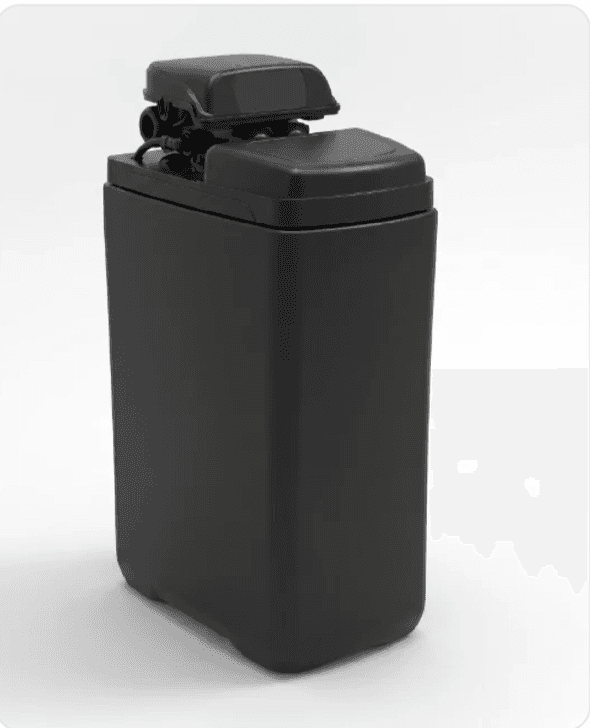
Compact, efficient softening for larger homes and small commercial sites: up to 3 m3 per hour with up-flow…
View product →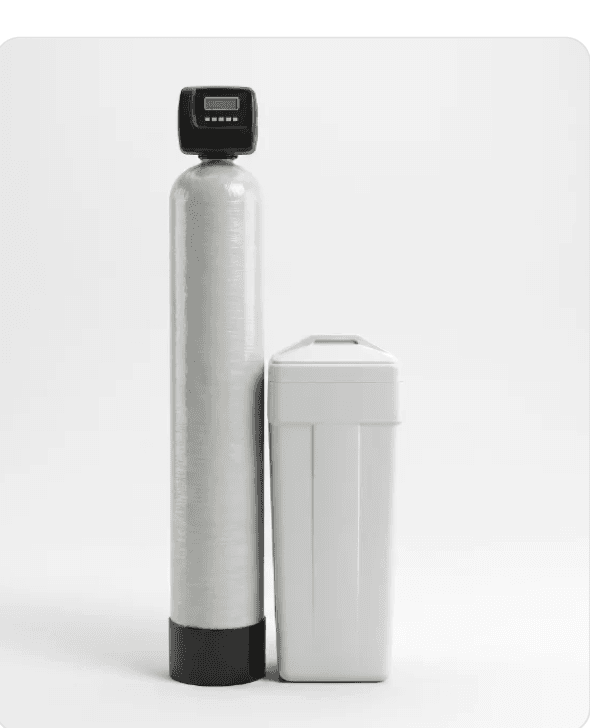
A high-capacity, floor-standing water softener built around a 10x54 pressure tank and a CE 1 inch control valve…
View product →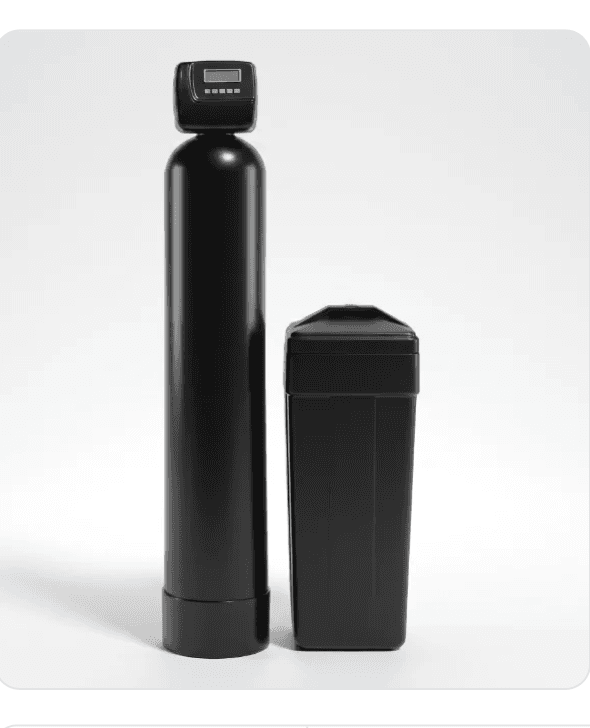
A ready-to-commission bi-block softener built around a 13 x 54 inch pressure tank and a pre-configured CE 1 inch…
View product →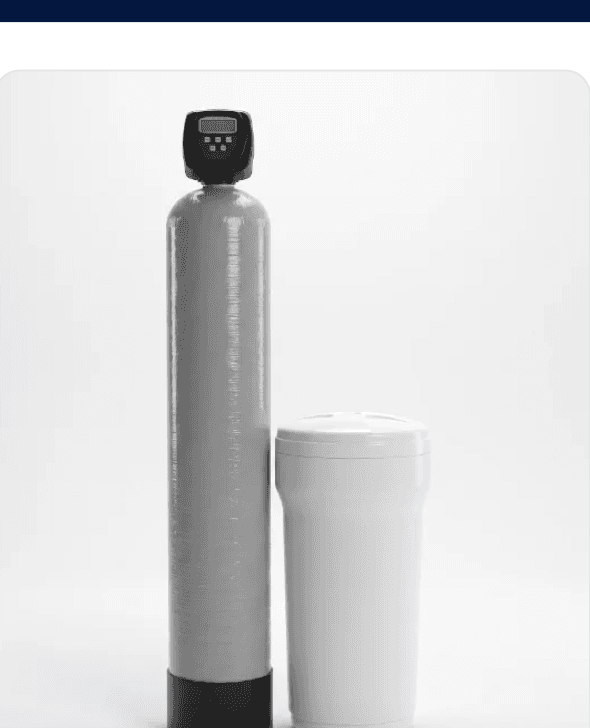
A high-capacity, professional-grade water softener for demanding residential, commercial and light-industrial use…
View product →